


How to Clean a Necklace Chain Without Damage
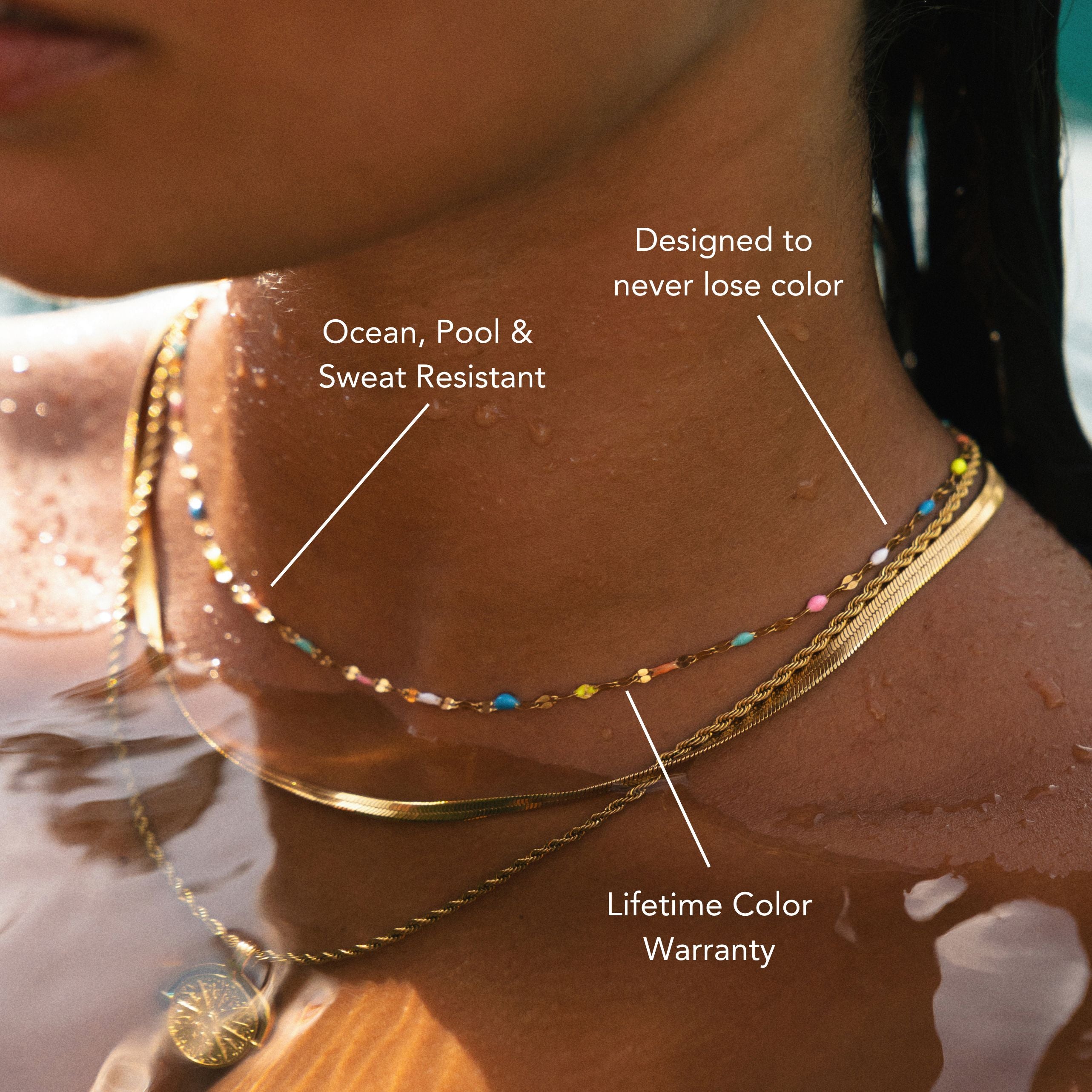
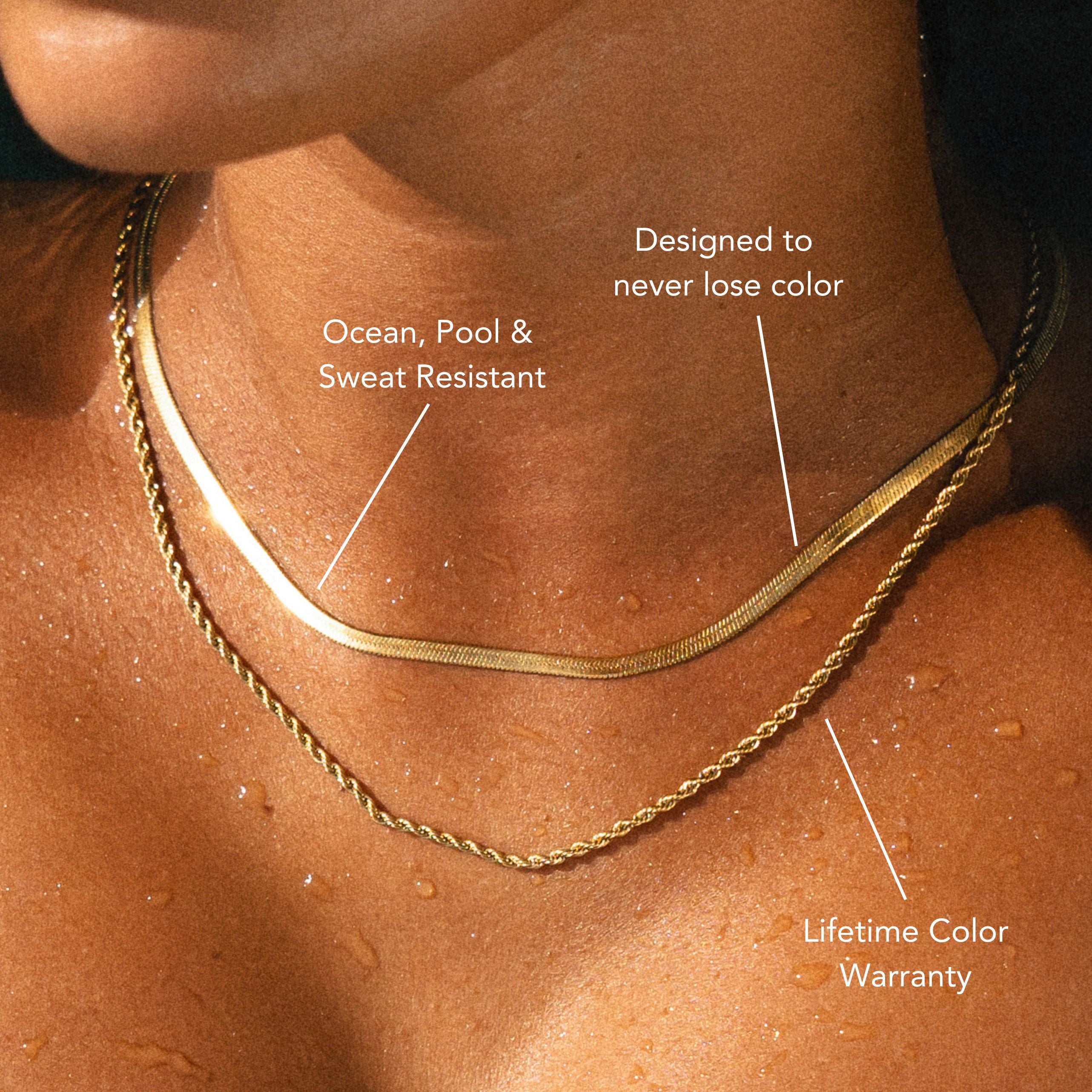
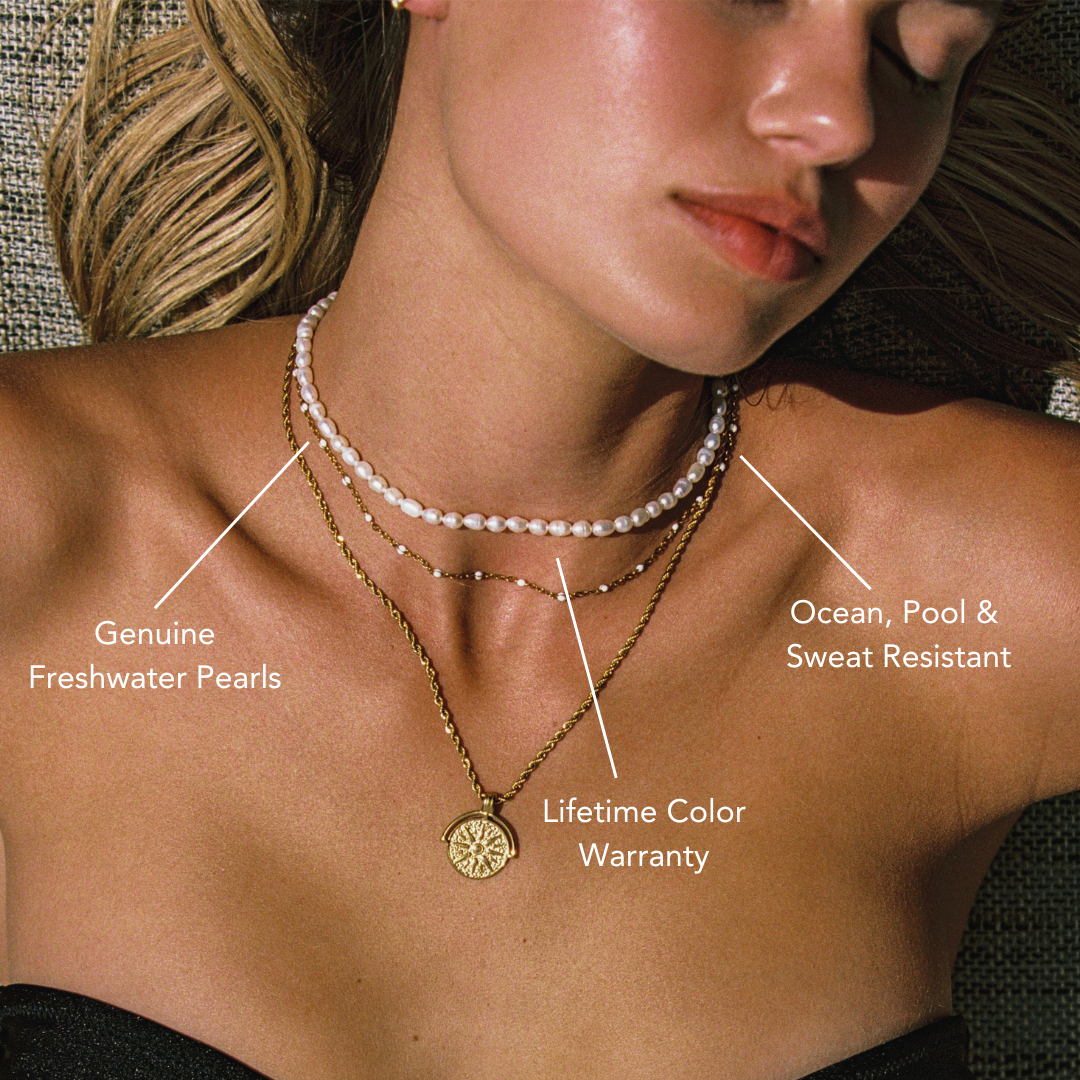
How to clean a necklace chain? You can safely clean most chains at home by working gently and matching the method to the metal. Soak gold or solid silver briefly in warm, soapy water, then brush links with a soft-bristled brush. Use a mild silver cleaner or baking-soda paste only for stubborn tarnish on solid silver. For plated or delicate chains, wipe carefully with a damp microfiber cloth and avoid soaking. Pat dry and let the chain air completely before storing. Always check clasps and settings during cleaning. For easy-care styles made for sun and sand, explore our Beach Necklaces collection—then continue for solutions to tricky buildup and repair tips.
Clean a Necklace Chain in 5 Minutes
In just five minutes you can revive a dull necklace chain using a gentle, material-appropriate method that won’t damage clasps or plating.
Start by inspecting the chain for loose links, weak solder points, or fragile embellishments; remove pendants if possible. Choose a soft-bristled brush and a mild cleaning solution compatible with the metal—diluted dish soap for most pieces, bottled jewelry cleaner for sensitive finishes.
Submerge briefly, brush along links to dislodge grime, then rinse thoroughly with lukewarm water. Pat dry with a lint-free cloth and let air-dry fully on a towel to avoid trapping moisture.
These quick cleaning techniques are practical time saving tips for routine upkeep, preventing buildup while preserving finishes and prolonging wear.

Choose a Cleaning Method by Metal (Gold, Silver, Plated)
Because different metals react to cleaners in specific ways, you should match your method to the metal—gold needs gentle, nonabrasive care; sterling silver tolerates mild alkalinity to remove tarnish; plated pieces require the gentlest touch to avoid stripping the thin finish.
For gold cleaning, use a soft brush and warm, soapy water; avoid abrasives and harsh chemicals that can dull or pit.
For silver maintenance, a baking-soda paste or commercial silver cleaner removes tarnish, but rinse thoroughly and dry immediately to prevent spotting.
For plated chains, stick to a soft cloth and mild soap; if grime won’t budge, use a barely damp cloth rather than soaking.
Always test on an inconspicuous spot and work gently to preserve metal and finish.
Care for Delicate and Gemstone‑Adorned Chains
Gold, silver, and plated chains each need specific cleaners, but when a chain is delicate or set with gemstones you have to take extra care to protect the settings and stones.
Treat delicate chains gently: lay them flat, work in a well-lit area, and use a soft-bristled brush or microfiber cloth.
For gemstone care, avoid soaking porous or treated stones; instead, dab with damp cloth and mild detergent, then rinse sparingly.
Check prongs and bezels before and after cleaning; if any setting seems loose, stop and consult a jeweler.
Dry thoroughly with a soft cloth and let air-dry on a lint-free surface.
Store delicate chains separately, in padded pouches, to prevent friction and stress on gemstones and links.
What Not to Use on Necklaces (Household Cleaners and Tools to Avoid)
While it’s tempting to reach for household cleaners or rough tools, don’t use bleach, ammonia, or abrasive scrubs on necklaces — they can strip plating, corrode metals, and damage gemstones and settings.
You should avoid bleach solutions and any product labeled “all‑purpose” with strong alkalis or acids; those attack base metals and loosen glue in costume jewelry.
Don’t use abrasive tools such as steel wool, scouring pads, or stiff brushes; they scratch surfaces and remove protective finishes.
Avoid ultrasonic cleaners unless a jeweler confirms the piece is safe—porous gemstones, treated stones, and delicate settings can fail.
Skip toothpaste and baking soda pastes on plated or soft metals; they’re mildly abrasive.
When in doubt, choose gentle soap, soft cloths, and professional advice.
Fix Common Problems: Bent Links, Stuck Clasps, Persistent Tarnish
If a chain has bent links, a sticky clasp, or stubborn tarnish, you can often restore it at home with careful, targeted steps that respect the metal and any stones.
For bent link repair, work on a soft surface with jeweler’s pliers wrapped in tape; gently realign the link, avoid overworking the metal, and test the chain’s flexibility frequently.
For stuck clasps, try clasp lubrication: apply a tiny drop of mineral oil or a purpose-made lubricant, cycle the mechanism, then remove excess with a lint-free cloth.
For persistent tarnish, use a mild, metal-appropriate cleaner and a soft brush; rinse thoroughly and dry immediately.
Always inspect settings and plated finishes after treatment to avoid unintended damage.
When to Stop and Take Your Chain to a Jeweler
Because some problems signal risk beyond DIY fixes, stop working on the chain and consult a jeweler when you see signs of structural damage, fragile settings, or finishes that look compromised; a professional can prevent further breakage, stone loss, or irreversible plating wear.
You should pause if links are severely stretched, solder joints split, or stones wobble in their seats. Don’t gamble with microscopic cracks, missing prongs, or flaking plating—these are signs damage that need trained hands and specialized tools.
A jeweler will perform a professional assessment, recommend repair versus refinish, and use appropriate soldering, re-tipping, or replating methods for your metal and stones.
When in doubt, prioritize expert evaluation to protect value and wearability.

Frequently Asked Questions
How Often Should I Professionally Service My Necklace Chain?
You should get professional cleaning frequency assessed every 12–24 months, sooner for delicate or high-wear pieces. You’ll follow necklace maintenance tips: inspect links, avoid chemicals, and ask your jeweler about material-specific service intervals.
Can Ultrasonic Cleaners Damage Certain Chain Types?
Yes — ultrasonic cleaners can damage softer or porous metals and certain gemstones; you should check ultrasonic cleaner safety and chain material compatibility, avoid using it on fragile alloys, plated chains, pearls, and loose-set stones.
Is It Safe to Wear a Necklace While Swimming?
You shouldn’t wear a necklace while swimming; chlorine, salt, and minerals accelerate corrosion and wear. For proper necklace maintenance, take swimming precautions: remove jewelry beforehand, rinse and dry it promptly, and store by material type.
How Do I Store Chains to Prevent Kinking and Tangling?
You should store chains flat or hung individually, using soft pouches or a jewelry board for chain storage; that prevents knots. For kink prevention, clasp chains before storing and avoid crushing or tightly looping delicate metals.
Will Perfume or Lotion Permanently Discolor My Chain?
Yes—you can get permanent discoloration: perfume effects and lotion residues can react with plating or softer metals, causing tarnish or staining. You should wipe chains promptly and avoid direct contact to reduce long-term damage.
Conclusion
You’ve got quick, safe options for everyday cleaning, but always match the method to your chain’s metal and any gems. Work gently, test in an inconspicuous spot, and skip harsh chemicals, ultrasonic cleaners, or stiff brushes on delicate or plated pieces. For bent links or stuck clasps try careful manual adjustment and lubrication; persistent tarnish or fragile settings deserve a jeweler’s attention. When in doubt, stop and ask a professional to avoid irreversible damage.










Leave a comment
This site is protected by hCaptcha and the hCaptcha Privacy Policy and Terms of Service apply.