


What Are Post Earrings: Complete Guide
If you have ever asked what are post earrings, you have probably worn a pair without realizing it. Post earrings, also called stud earrings, are the style with a small straight pin on the back of the decoration that passes through the ear piercing and is held in place by a separate backing. They are simple, secure and comfortable, which is why they are the first choice for new piercings and everyday wear. You can also browse our Waterproof Earrings to find post styles that are ready for daily life. In this guide, we explain how they work, the different types, and how to pick the right pair.
What Are Post Earrings?
A post earring has two main parts. The first is the front, which is the visible decoration such as a pearl, a gemstone, a metal shape or a charm. The second is the post, a slim pin attached to the back of the front. The post slides through the piercing from the front of the ear, and a backing fastens it behind the lobe to keep everything in place.
Because the front sits flat against the ear and does not dangle, post earrings feel stable and low maintenance. They suit almost any occasion, from a quiet day at the office to a formal evening, and they pair well with other jewelry without competing for attention.

How Post Earrings Work
The design is straightforward. You hold the front of the earring against the ear, guide the post through the piercing and slide the backing onto the pin from behind. The backing grips the post and presses lightly against the back of the lobe.
Most posts are between 10 mm and 12 mm long, which suits a standard lobe piercing. Longer posts are often used for new piercings, since they leave room for swelling, while shorter posts sit closer to the ear once healing is complete. The gauge, or thickness, of the post matters as well. A standard post is around 20 gauge, while thicker 18 gauge posts are sometimes used for heavier earrings.
Types of Earring Backs
The backing may look like a small detail, but it affects comfort, security and the way the earring hangs. These are the most common types.
- Butterfly back. Also called a push back, this is the most familiar style. It has two small wings that grip the post. It is inexpensive and easy to use, but it can loosen over time.
- Screw back. The post is threaded, and the back twists on securely. This is a great choice for valuable earrings, since it is very hard to lose.
- Locking back. A small clutch with a locking mechanism holds the post firmly. It is common on fine jewelry, especially diamond studs.
- Disc or flat back. A flat plate that sits smoothly against the ear. It is comfortable for sleeping and useful for new piercings.
- Silicone or rubber back. A soft cushion that grips the post gently. It suits sensitive ears and heavier earrings that tend to droop.

Popular Post Earring Styles
Post earrings come in more variety than most people expect.
- Classic studs. A single stone, pearl or metal bead. These are timeless and versatile.
- Cluster studs. A group of small stones arranged into a flower, star or geometric shape.
- Huggie style studs. A small design with a decorative front that sits close to the lobe.
- Drop post earrings. A post earring with a short chain or charm that hangs below the post, adding movement.
Materials to Look For
The material of the post matters just as much as the front, because the post sits inside your skin. If you have sensitive ears, choose high quality metals.
- Gold. 14K and 18K gold are popular, durable and usually comfortable for most people. Higher karats contain less alloy, which makes them gentler for sensitive ears.
- Sterling silver. An affordable and attractive option that works well for many wearers, though some people with nickel sensitivity should check that the pieces are nickel free.
- Platinum and titanium. Both are very gentle on the skin, and they suit people who react to other metals.
- Surgical stainless steel. A strong, budget friendly choice that works well for many sensitive ears. Look for implant grade options when possible.
- Gold plated and fashion metals. These are fine for occasional wear, but the plating can wear away over time, and the base metal may irritate sensitive ears.
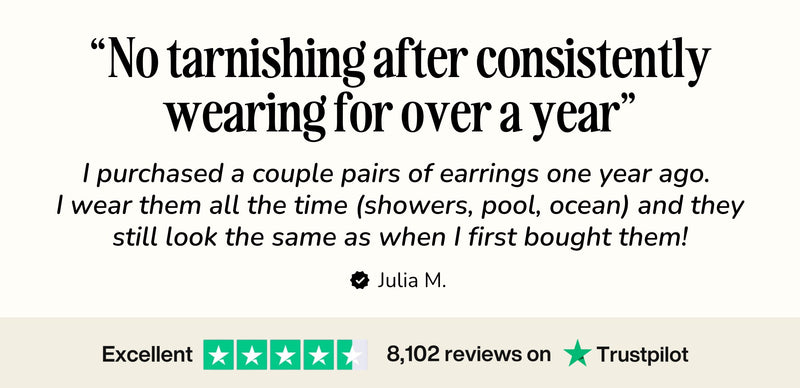
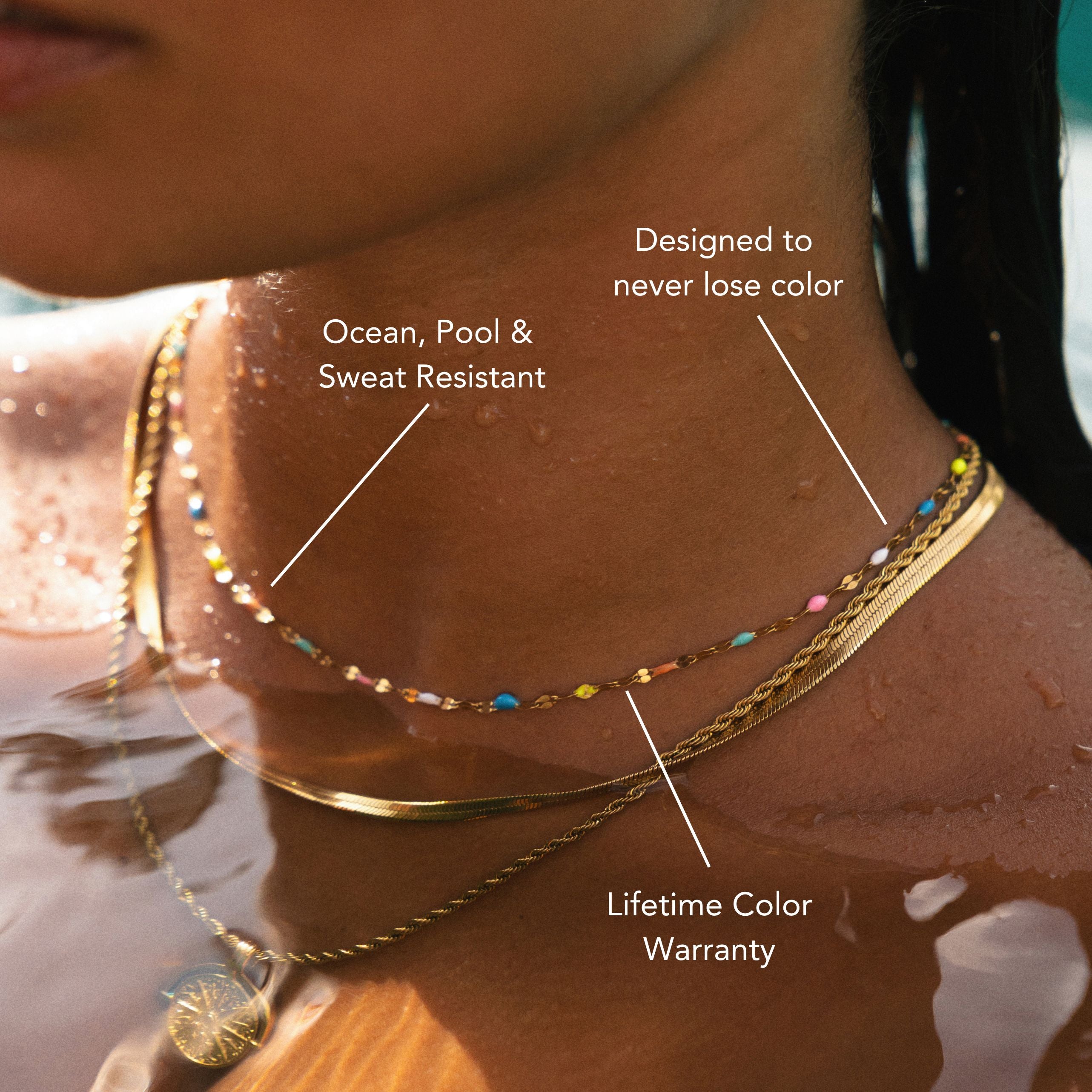
If you need earrings that handle showers, swimming and sweat, look for materials that resist tarnish and corrosion, such as stainless steel with a durable finish.

Post Earrings vs. Other Earring Types
It helps to understand how post earrings compare with other styles.
- Hoops. Hoops pass through the piercing and close with a clasp. They are more visible and can catch on hair or clothing.
- Dangle earrings. These hang from a hook or post and move freely. They are dressy but not always practical for sleeping or exercise.
- Clip ons. These need no piercing and use pressure to hold the earring. They are a good option for unpierced ears, but they may feel less secure.
Post earrings are the most low maintenance of the group.
How to Choose the Right Post Earrings
Start with how you plan to wear them. For all day wear, choose a smooth flat back and a lightweight front. For special occasions, a statement stud or a drop style can add sparkle without sacrificing security.
Think about the size of the front too. Small studs of 3 mm to 5 mm look subtle and delicate, while 6 mm to 8 mm studs have more presence. Larger stones look bold but can feel heavy on thin lobes.
Finally, check the post length and the type of backing. A secure back is especially important for pricey stones, and a hypoallergenic metal is essential if your ears are sensitive.

How to Wear Post Earrings Comfortably
To put them on, clean your hands and the earring first. Slide the post gently through the piercing and attach the back with a light touch, leaving a little room so the earring is not pressed tightly against the skin. If the ear feels tight, loosen the back slightly.
You can wear post earrings in several piercings at once. Many people mix a classic lobe stud with a tiny gem higher on the ear.
How to Care for Post Earrings
Wipe your earrings with a soft cloth after wearing them, and clean them with mild soap and warm water when needed. Dry the post and the backing fully before storing. Keep pairs together in a small box or pouch to prevent scratches and avoid losing the backs.
Clean your piercings regularly, too, especially when you swap earrings. If you notice redness, swelling or itching that does not fade, remove the earrings and consult a professional.

Conclusion
So, what are post earrings? They are earrings with a straight pin that goes through the piercing and a backing that holds them in place, and they are loved for being secure, comfortable and endlessly versatile. By choosing the right material, back and size, you can wear them every day with confidence. Visit Atolea to find post earrings that suit your style and your routine.
FAQs
1. What are post earrings?
Post earrings are earrings with a straight pin on the back that passes through the piercing and is held in place by a backing. They are also known as stud earrings.
2. Are post earrings the same as stud earrings?
In most cases, yes. Stud earrings are the best known type of post earring, but the post design is also used for drop earrings and other styles.
3. Can you sleep in post earrings?
Many people can, especially with small studs and flat backs. Butterfly backs and large fronts may feel uncomfortable, so choose a low profile style if you plan to sleep in them.
4. What is the best earring back for post earrings?
A screw back or locking back is the most secure, which makes it a good choice for valuable earrings. A flat or silicone back is better for comfort and sensitive ears.
5. Are post earrings good for sensitive ears?
They can be, as long as the post is made from a hypoallergenic metal such as titanium, platinum, high karat gold or implant grade steel.
6. How do you stop post earrings from drooping?
Use a secure backing, such as a locking or silicone back, and choose a lighter front. Heavy earrings can pull forward, so a back that grips firmly will help them sit upright.








コメントを書く
このサイトはhCaptchaによって保護されており、hCaptchaプライバシーポリシーおよび利用規約が適用されます。