


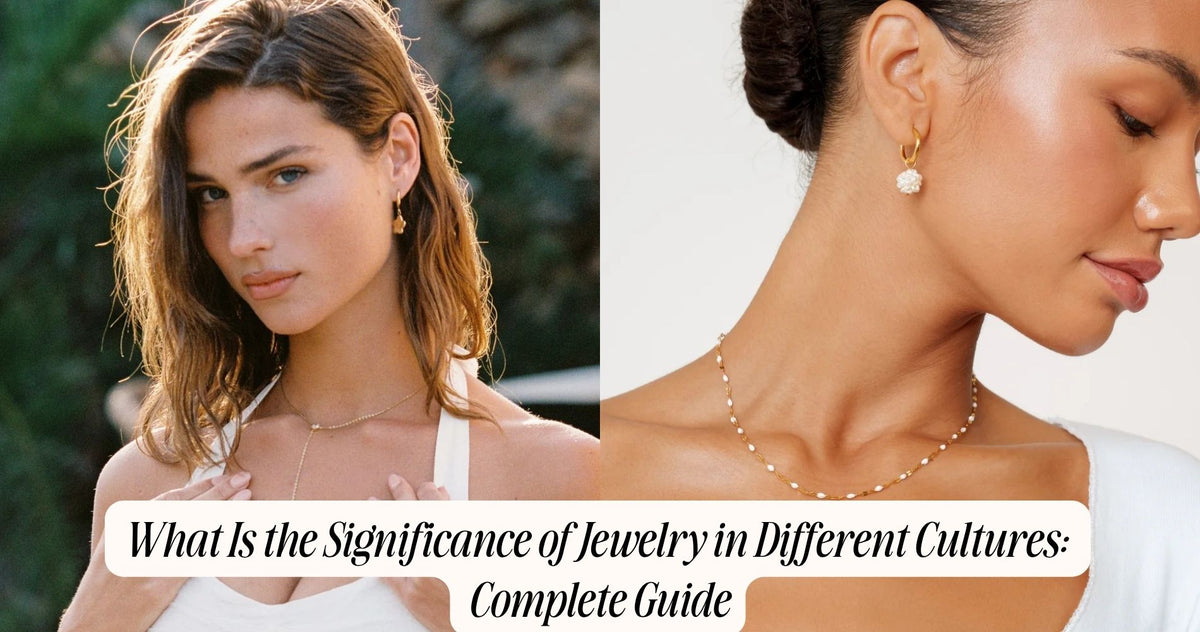
What Is the Significance of Jewelry in Different Cultures: Complete Guide
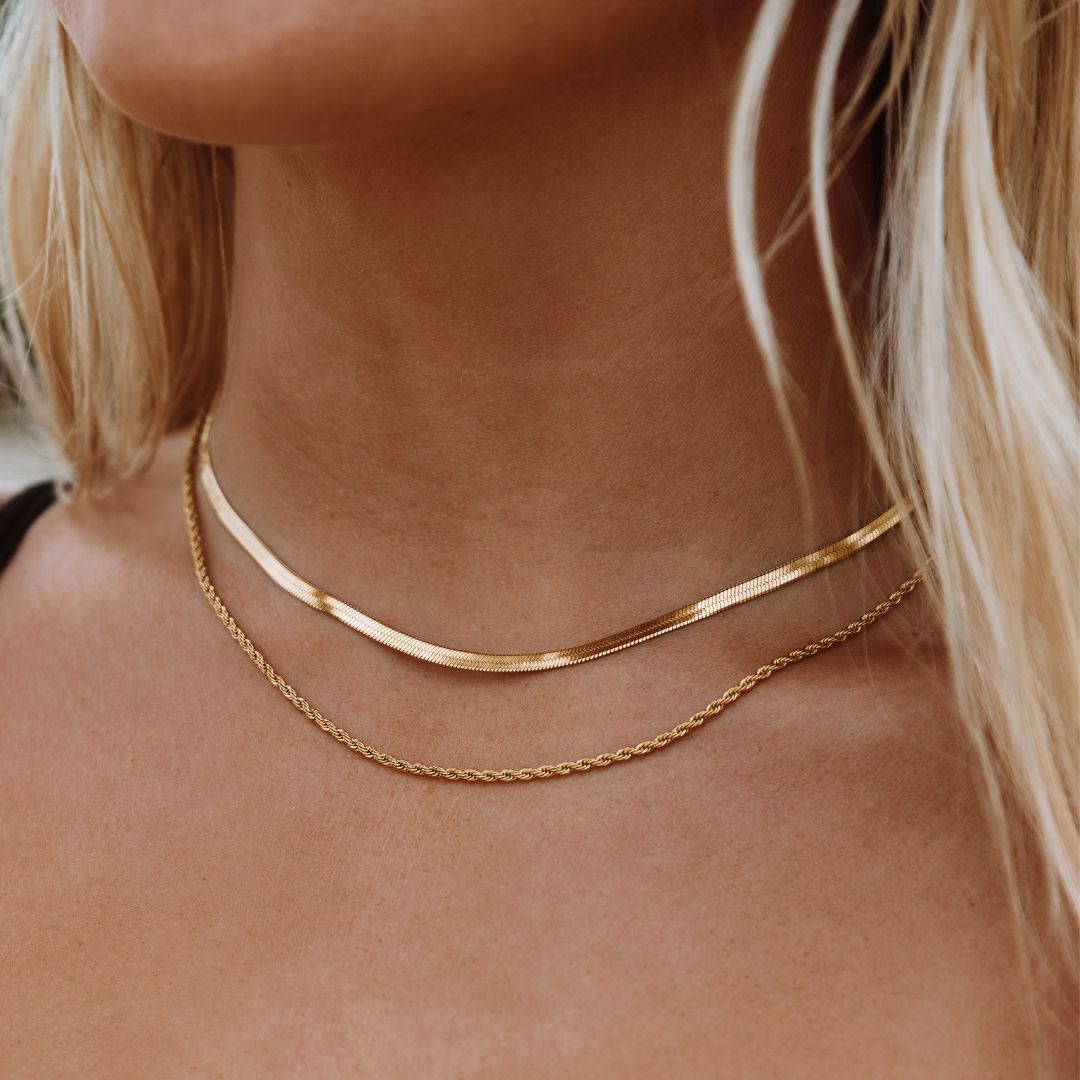
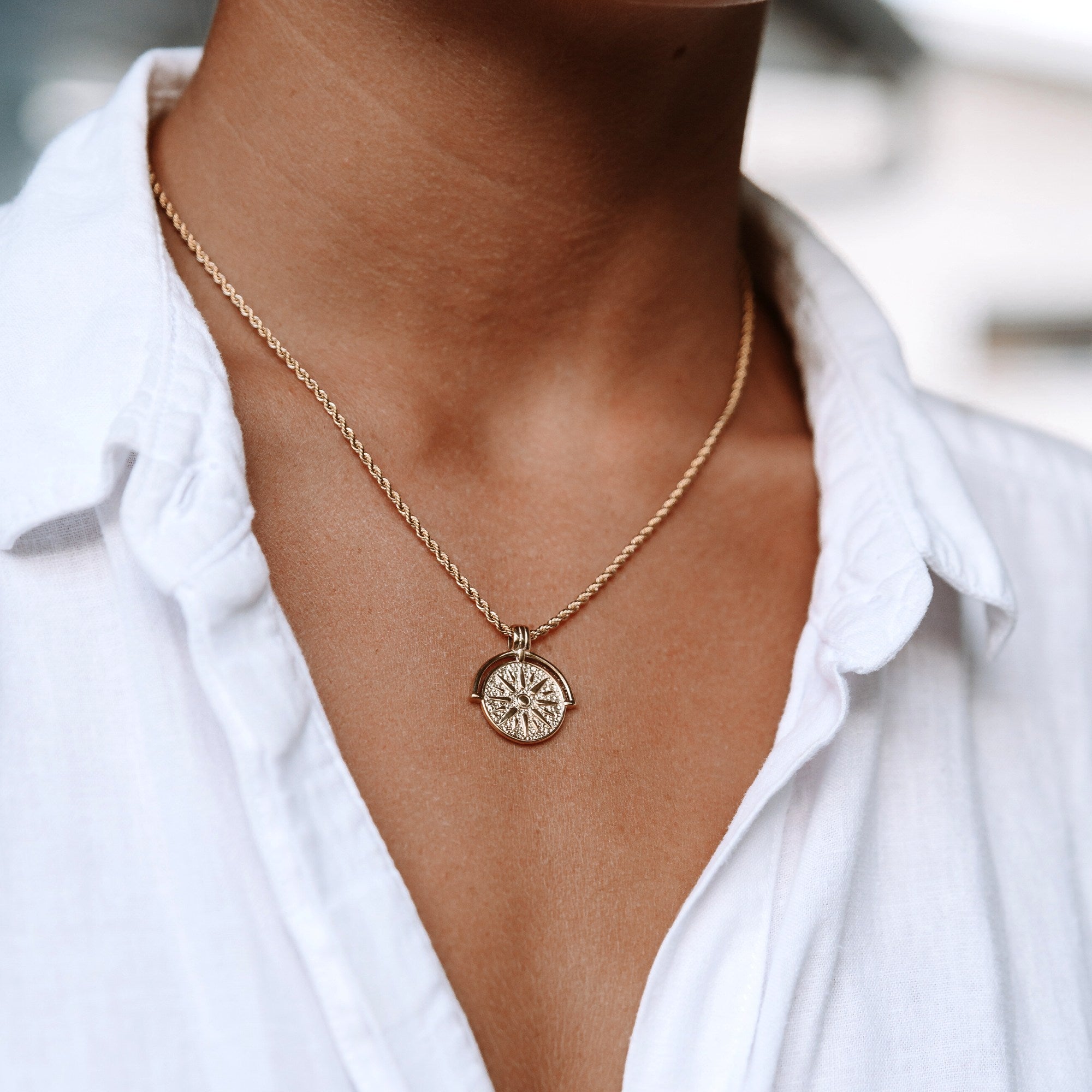
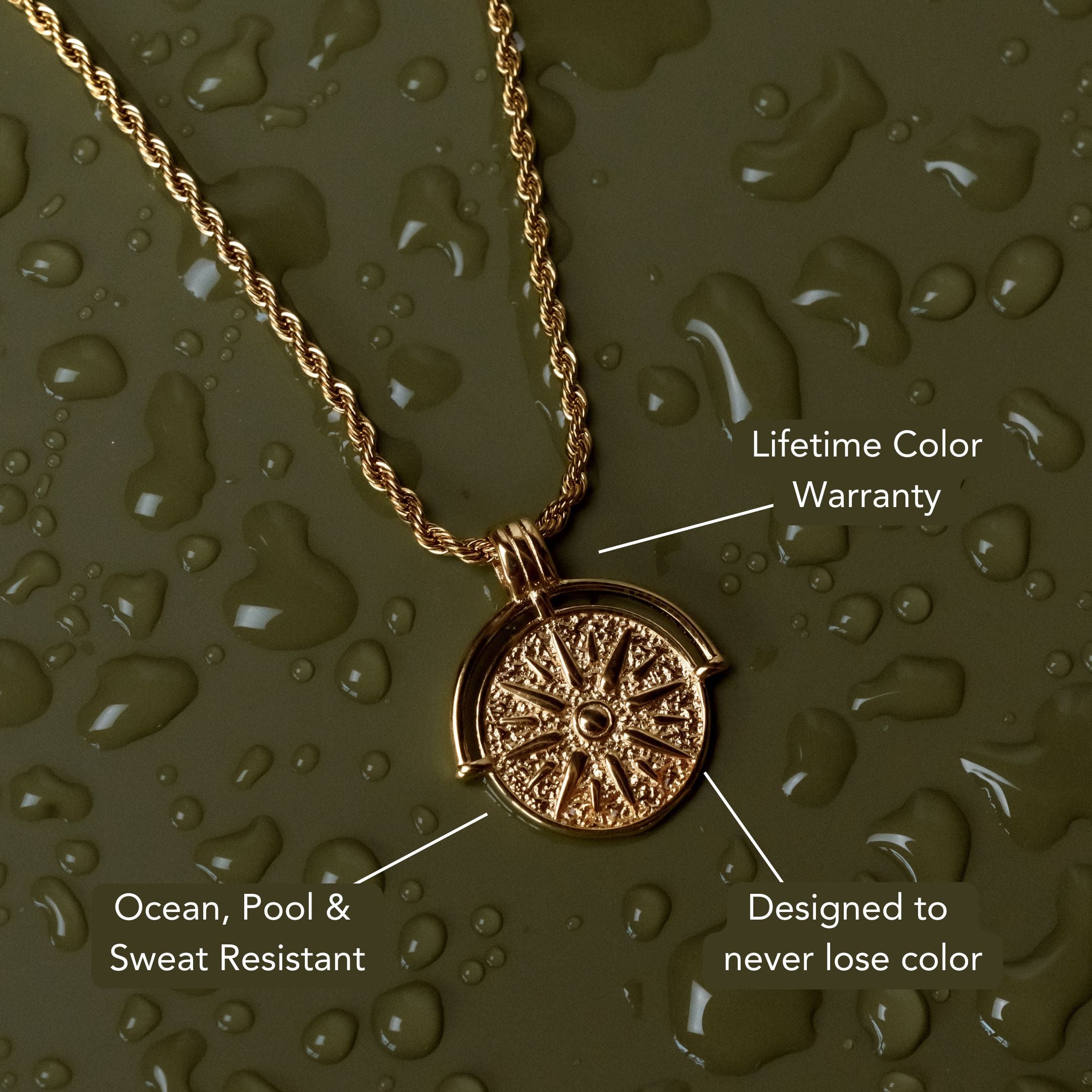
Jewelry is one of humanity's oldest forms of expression. Long before written language, people strung shells, carved bone, and shaped metal into objects worn on the body. So what is the significance of jewelry in different cultures, and why has it mattered so much for so long? Across the world, jewelry has signaled status, offered protection, marked life milestones, and connected people to their families, communities, and beliefs. If you enjoy pieces that carry a sense of history and meaning, our Everyday Gold Necklace collection offers timeless chains that suit many styles and stories.
In this guide, we will explore the shared themes behind jewelry, look at how different cultures use it, and discuss how to appreciate these traditions respectfully today.
Why Humans Have Always Worn Jewelry
Archaeologists have found beads and ornaments made from shells and other natural materials dating back tens of thousands of years, which suggests that adornment is deeply rooted in human history. Jewelry was never only about decoration. It has served as a way to communicate who you are, where you belong, and what you believe.
While traditions differ widely, a few themes appear again and again. These include status and wealth, protection and spirituality, rites of passage, identity and belonging, and remembrance. Keeping these themes in mind helps make sense of the many forms jewelry takes around the world.

Ancient Egypt: Gold, Amulets, and the Afterlife
In ancient Egypt, gold was closely associated with the divine and was often linked to the gods and eternity. Jewelry was worn by the wealthy and by royalty, but it also had spiritual functions. Amulets in the form of scarab beetles, eyes, and other symbols were believed to offer protection and good fortune.
Jewelry was also placed in tombs, since it was thought to accompany the person into the afterlife. Broad collar necklaces, bracelets, and rings were crafted from gold and colorful stones, and their designs carried symbolic meaning as well as beauty.
India: Auspiciousness, Marriage, and Tradition
In India, jewelry holds deep cultural and religious significance, and gold in particular is considered auspicious. It is given at weddings, festivals, and family celebrations, and it is often seen as both adornment and a form of security passed through generations.
Bridal jewelry is especially rich in tradition. Necklaces, bangles, nose rings, and anklets are worn in many regions as symbols of marriage and blessing, and the specific pieces vary by community and region. Bangles and anklets can also carry meanings tied to sound, protection, and femininity in various traditions.

China: Jade, Virtue, and Protection
In Chinese culture, jade has been treasured for thousands of years. It is associated with virtue, purity, and harmony, and it is often worn as a protective talisman. Jade bangles and pendants are traditionally given as gifts to mark important life events, and many families pass pieces down through generations.
Gold and other precious materials also play roles in celebrations and weddings, often combined with auspicious symbols meant to bring prosperity and good fortune.
Africa: Beads, Metals, and Social Meaning
Africa is a vast continent with a wide range of jewelry traditions, so it is important to avoid generalizing. In many communities, beadwork communicates information such as age, social status, marital status, or community identity. In some East African cultures, for example, colors and patterns in beadwork can carry specific meanings that are understood within the community.
In parts of West Africa, gold has long been tied to royalty and leadership, and goldwork is used in ceremonies and regalia to signify authority and heritage. Other regions have distinctive traditions of metalwork, shell jewelry, and neck and arm ornaments, each rooted in local history.
Native American and Indigenous Traditions of the Americas
Indigenous peoples across the Americas have rich, diverse jewelry traditions that vary significantly among nations. In many Southwestern Native American communities, silverwork and turquoise are central to jewelry making, and turquoise is often valued for its connection to protection and well being. Beadwork, shell, and carved materials are also important in many traditions, and pieces often reflect family, community, and spiritual identity.
Before European contact, goldwork and jade carving were highly developed in parts of Central and South America, where jewelry was linked to religion, rulers, and ceremony. Because these traditions are specific to individual nations and cultures, learning from the communities themselves is the best way to understand them accurately.

The Middle East and North Africa: Protection and Dowry
In many parts of the Middle East and North Africa, jewelry has long been tied to family wealth and marriage. Gold jewelry is often given to brides, serving as both adornment and a form of personal financial security. Protective symbols are also widespread, including the hand shaped amulet often called the hamsa and the eye symbol associated with warding off the evil eye. These are worn across several cultures and faiths in the region.
Europe: Heritage, Faith, and Symbolism
European jewelry traditions reflect a long history of religious, royal, and regional influences. Celtic designs, such as intricate knotwork, symbolize interconnection and continuity. Rings carry meanings of betrothal, marriage, and affiliation, while crosses and religious medals express faith. Royal and noble families have used crowns, brooches, and regalia to signal rank and lineage for centuries.
The Claddagh ring from Ireland, with its design of hands, a heart, and a crown, represents friendship, love, and loyalty, and it remains one of the best known examples of symbolic jewelry.
Oceania and the Pacific: Shell, Pearl, and Greenstone
In many Pacific cultures, materials from the sea and land hold special significance. Shell jewelry and pearls have long been valued, and in Maori culture, pounamu, or greenstone, is treasured and often passed down as a taonga, a cherished possession that carries family history and spiritual meaning. Pieces are often given as gifts to commemorate relationships and events, and their value comes as much from their story as from their appearance.

Common Threads Across Cultures
Despite their differences, many traditions share common ideas. Jewelry often marks transitions, such as birth, coming of age, marriage, and mourning. It can serve as protection, a way to carry good fortune or spiritual safeguarding. It frequently signals identity, showing where a person comes from or what community they belong to. And it holds sentimental value, passed down to link generations.
Jewelry Today: Personal Meaning and Global Influence
In the modern world, cultural exchange has blended many jewelry traditions. People wear pieces inspired by cultures around the world, and many choose jewelry that reflects personal stories rather than inherited customs. Birthstones, initials, charms, and meaningful symbols are popular ways of expressing identity.
This blending can be beautiful, but it is worth approaching with care.
Appreciating Jewelry Traditions Respectfully
If you are drawn to jewelry from a culture that is not your own, a few practices can help you honor it. Learn about the meaning and context of a piece before wearing it, especially if it is tied to ceremonies, faith, or specific communities. Buy from artisans or sellers who are part of the tradition, or who ethically collaborate with them, so the benefit reaches the source. Avoid wearing sacred or ceremonial items as casual fashion. When in doubt, ask or research respectfully.
Final Thoughts
So, what is the significance of jewelry in different cultures? It represents status, spirituality, protection, identity, and memory, taking forms as varied as Egyptian gold, Indian bridal sets, Chinese jade, African beadwork, and Pacific greenstone. Each tradition tells its own story, yet all share a common idea that jewelry is meaningful because of what it connects us to.
When you choose a piece for yourself, you join a very old human tradition of using adornment to say something about who you are.
Frequently Asked Questions
1. Why is jewelry important in many cultures?
Jewelry expresses identity, status, belief, and relationships, and it marks milestones like marriage, coming of age, and remembrance.
2. Why is gold so significant in many societies?
Gold is durable, rare, and beautiful, so many cultures associate it with wealth, divinity, and auspiciousness, and use it in weddings and ceremonies.
3. What does jade symbolize in Chinese culture?
Jade is associated with virtue, purity, harmony, and protection, and it is often given as a meaningful gift.
4. What is the meaning of beads in African jewelry?
In many communities, beadwork communicates age, status, or identity through colors and patterns, though meanings differ widely by culture.
5. How can I wear culturally inspired jewelry respectfully?
Learn about the piece's meaning, buy from artisans or ethical sellers, and avoid treating sacred or ceremonial items as casual fashion.







コメントを書く
このサイトはhCaptchaによって保護されており、hCaptchaプライバシーポリシーおよび利用規約が適用されます。