

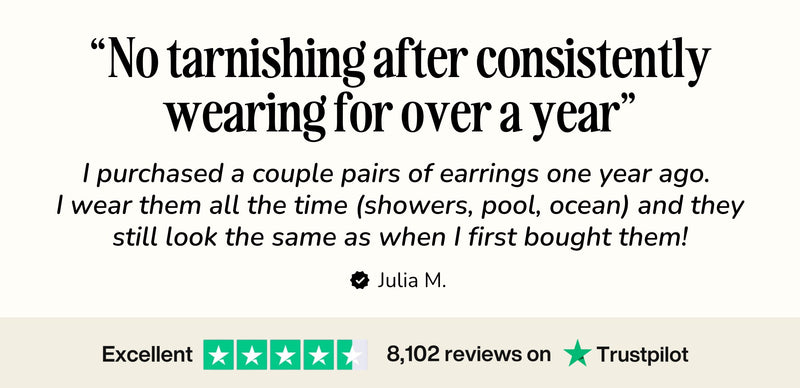

How Fast Does 925 Silver Tarnish?
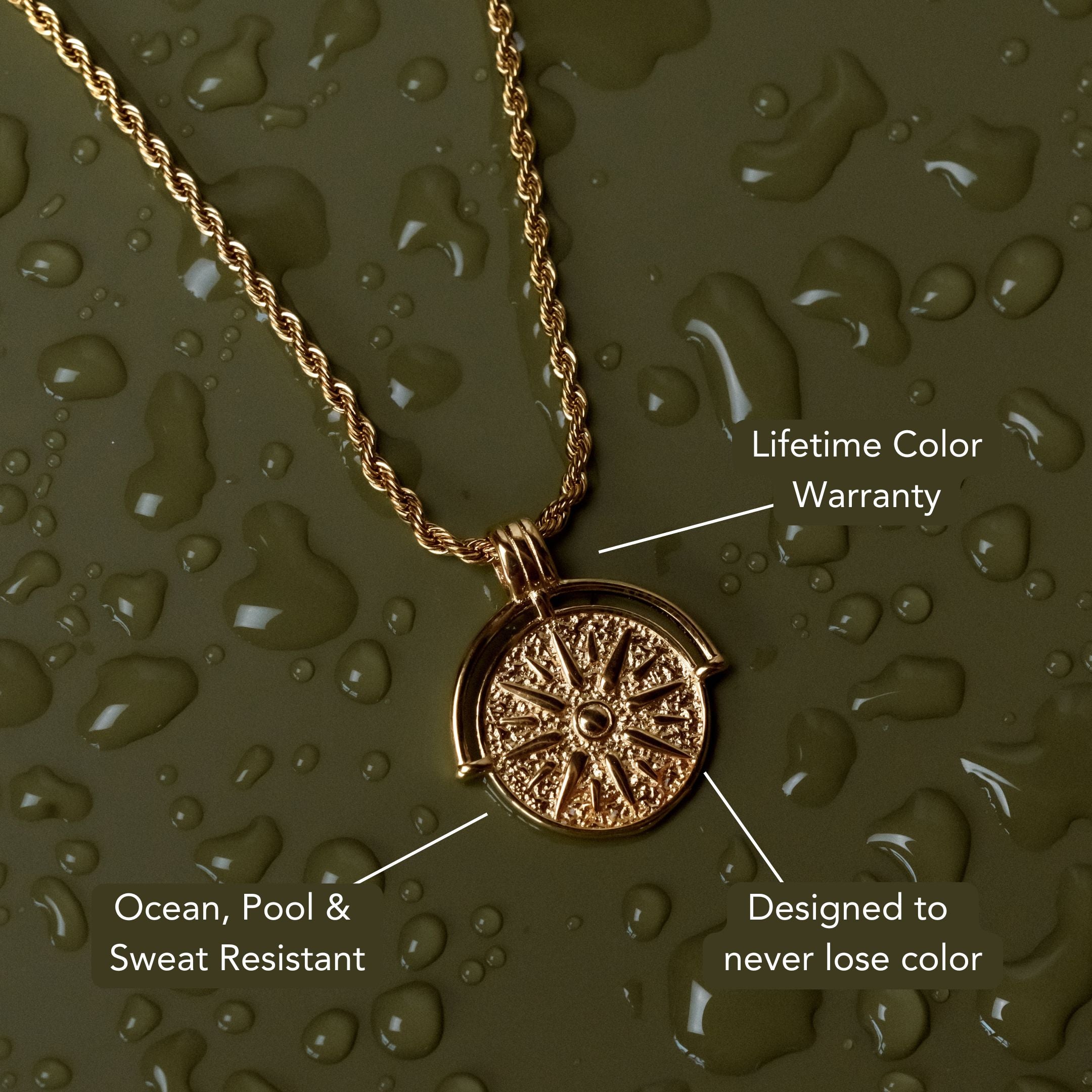
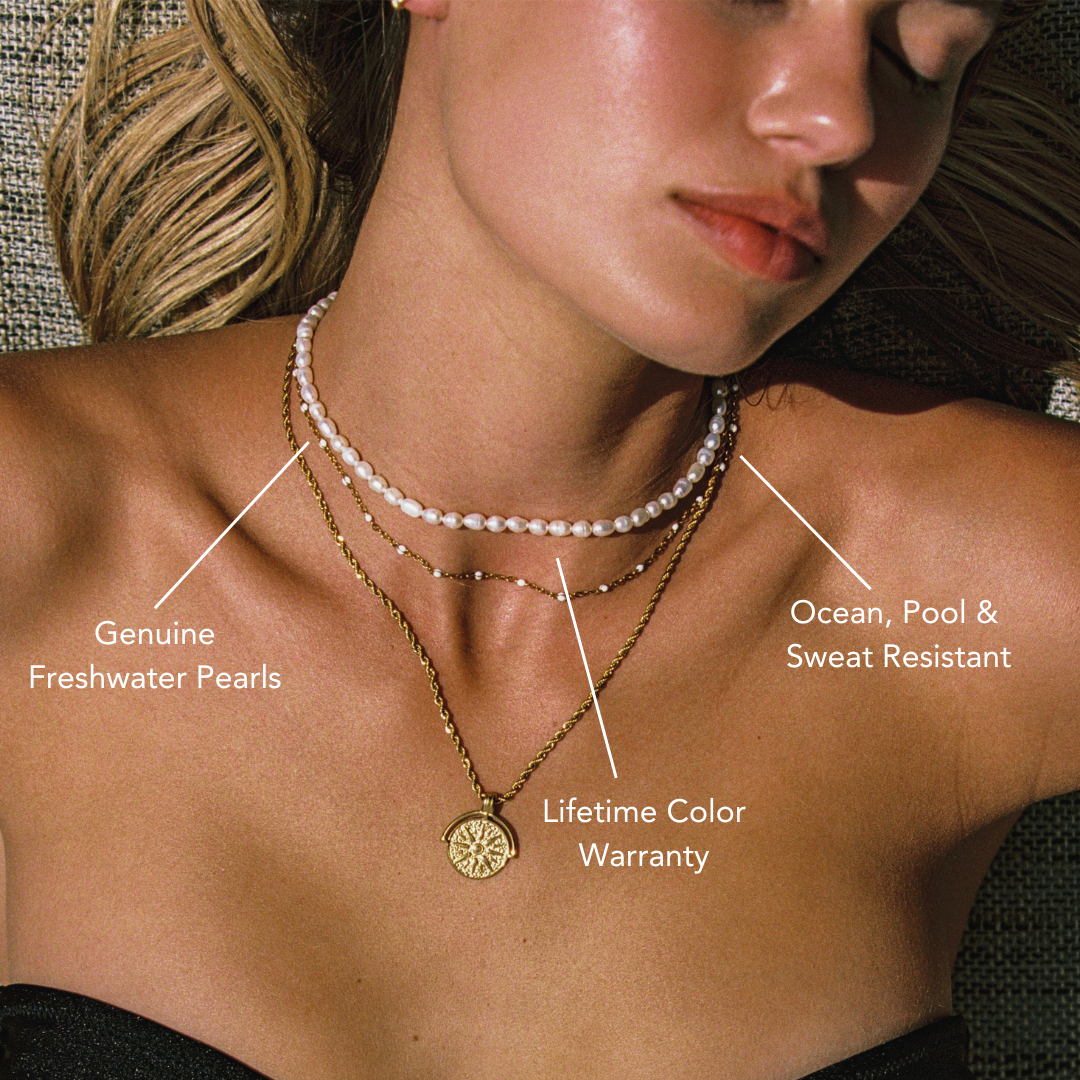
How fast does 925 silver tarnish? Indoors, you may notice tarnish on sterling silver within 2–12 weeks, but in humid, coastal, or polluted environments it can appear in hours to days. Tarnish forms as silver reacts with sulfur, oxygen, moisture, sweat, and airborne pollutants, creating silver sulfide and oxide layers. Friction, cosmetics, chlorine, and rubber accelerate the process, and frequent wear can wear down protective finishes. For styles designed to better resist moisture exposure, explore our Waterproof Jewelry collection. Continue below for exact causes, safe cleaning methods, and a realistic maintenance schedule to slow or reverse tarnish.
How Quickly Does 925 Silver Tarnish : Short Answer?
Tarnish on 925 sterling silver can start forming within hours to days in harsh conditions but typically becomes noticeable within weeks to months; your actual rate depends on exposure to sulfur compounds, humidity, skin oils, and pollutants.
You’ll see a thin gray or black film as silver sulfide forms on the surface; the process accelerates with higher humidity, acidic sweat, and airborne sulfur.
For practical planning, assume visible tarnish within 2–12 weeks under normal indoor conditions and faster near coastal or industrial environments.
For immediate control, implement routine tarnish prevention: store pieces in airtight bags, use silica desiccants, and avoid rubber or wool contact.
Regular silver maintenance—gentle cleaning and protective coatings—keeps appearance consistent and reduces polishing frequency.

What Causes 925 Silver to Tarnish?
Because sterling silver is an alloy (92.5% silver, 7.5% usually copper), it reacts chemically with sulfur- and oxygen-containing compounds in the air and on your skin, forming silver sulfide and oxides that appear as a dark film.
Moisture, acidic sweat, airborne pollutants, and contact with materials like rubber or wool accelerate these reactions by supplying reactive sulfur species or by increasing surface corrosion.
You should know tarnishing factors include ambient hydrogen sulfide, ozone, and chlorides that drive surface conversion of metallic silver to sulfides and chlorides.
The copper component in the silver alloy acts as an anodic site, promoting galvanic corrosion and localized pitting.
Mechanical abrasion, residual polishing compounds, and microstructural inhomogeneity increase reactive surface area, so controlling exposure and surface cleanliness reduces tarnish kinetics.
Everyday Products and Activities That Speed 925 Silver Tarnish
Everyday items and routines introduce sulfur, chlorides, moisture, and abrasives that accelerate 925 silver’s surface reactions, so you should be mindful of common exposures that shorten its bright finish.
Household cleaning products containing sulfides, ammonia, or bleach create reactive gases and residues that darken sterling quickly; avoid wearing pieces while using detergents, oven cleaners, or grout agents.
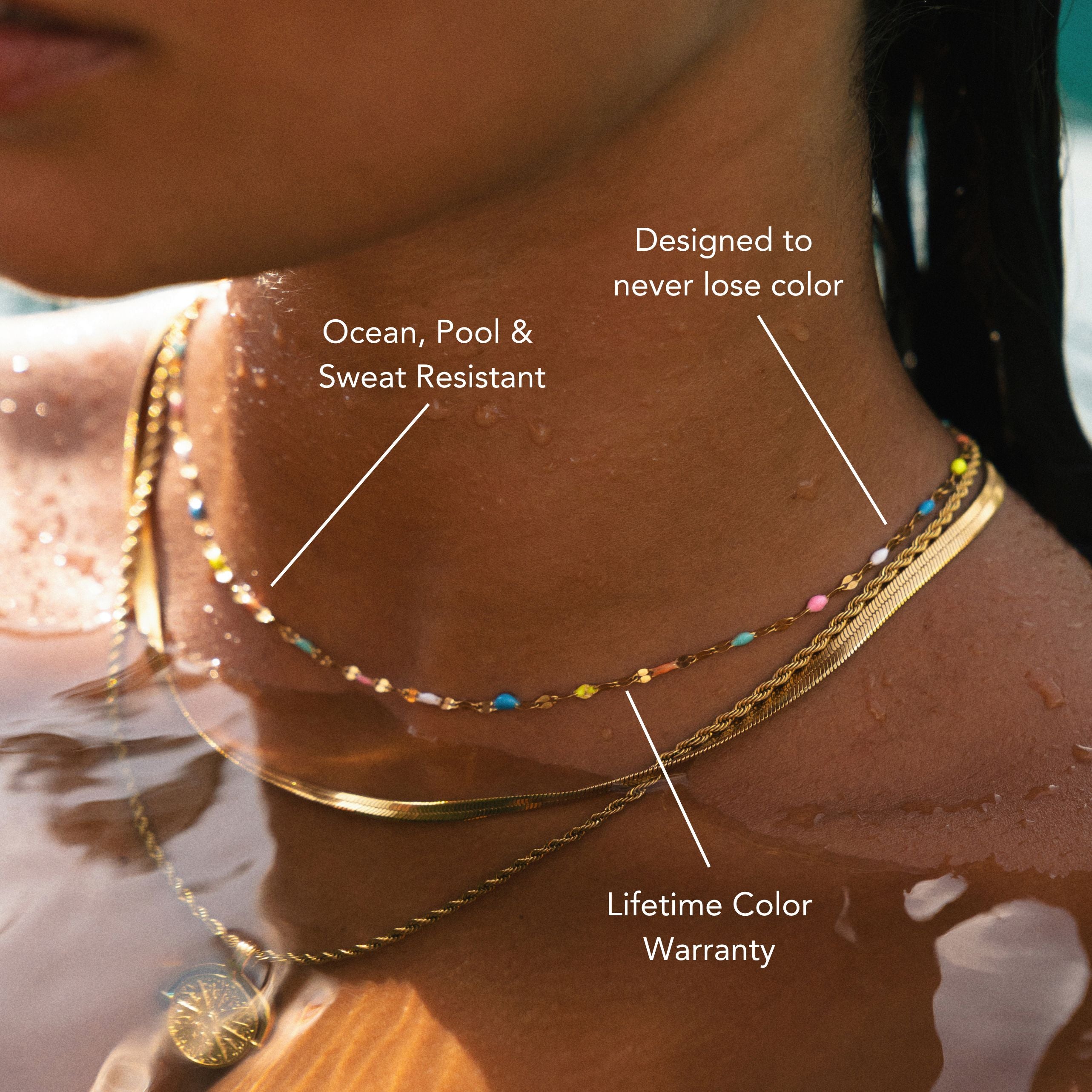
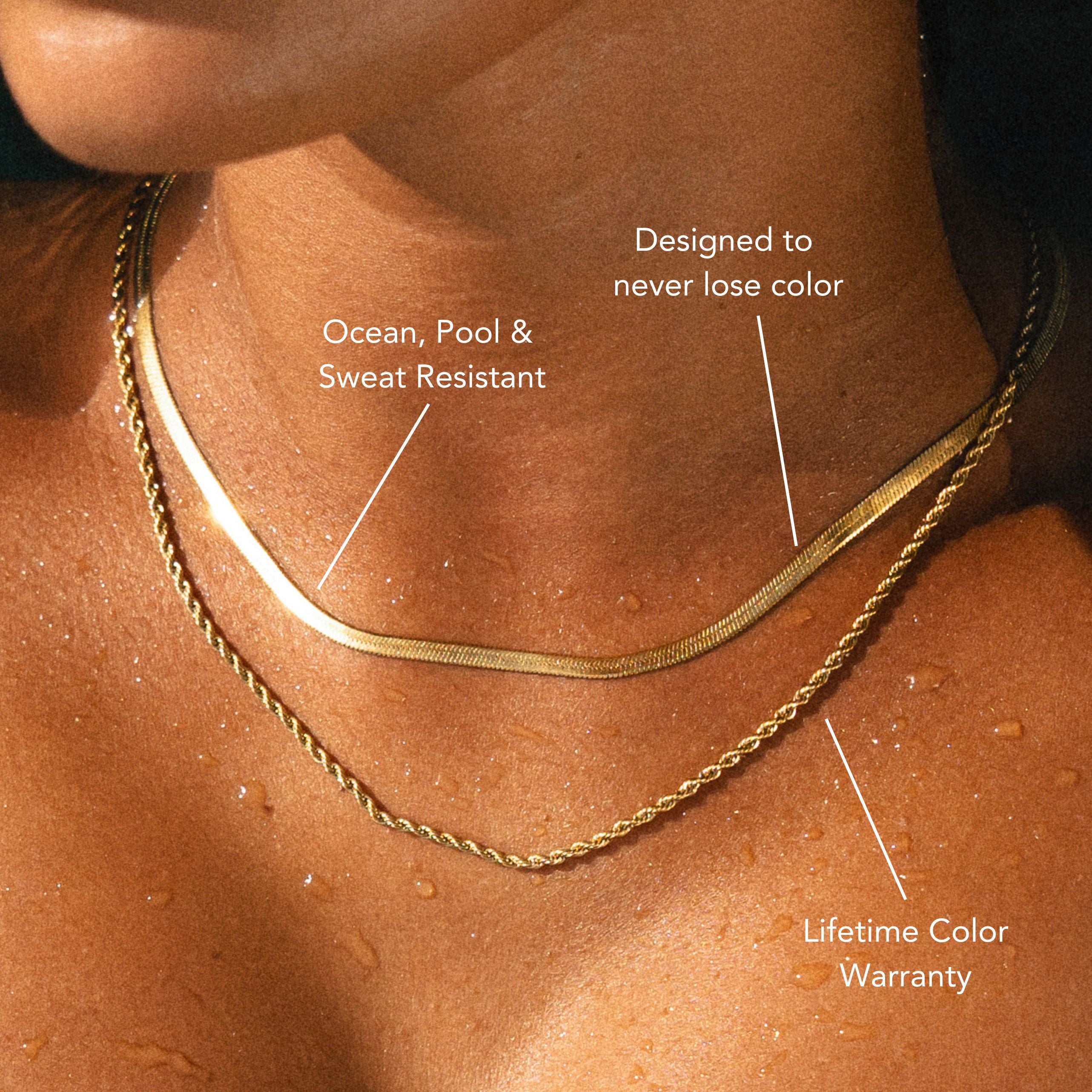
Chlorinated pools and saltwater introduce chloride ions that promote pitting and rapid discoloration.
Friction from towels, cosmetics, and abrasive surfaces mechanically removes protective oxide films.
Skincare routines apply lotions, sunscreens, and perfumes that leave oils and sulfur-containing compounds on metal; apply products, let them fully absorb, then don jewelry.
Activities that generate sweat, humid microclimates, or particulate contaminants also increase tarnish rate.

How Wear and Body Chemistry Affect Tarnishing
When you wear 925 silver regularly, mechanical contact and your skin’s chemistry work together to change its surface: abrasion removes the protective silver oxide and exposes fresh metal, while sweat, skin oils, and trace sulfur compounds—especially from certain diets or medications—chemically react with exposed silver and accelerate darkening.
You’ll see micro-scratches increase surface area, promoting faster metal reactions with sulfur species and chlorides. Your body chemistry—pH, sebum composition, and perspiration rate—modulates reaction kinetics: acidic sweat and high chloride levels speed tarnish; drier skin slows it.
Friction displaces any stabilizing films (plateau oxides or coatings), letting corrosive species access silver. Understanding these factors helps you predict wear patterns and select maintenance: reduce continuous contact, clean gently, and use barrier coatings to limit direct body chemistry-driven metal reactions.
Tarnish Timelines: Home, Coastal, and Industrial Environments
You’ve seen how wear and body chemistry drive surface reactions on 925 silver; now compare how environmental sulfur, chlorides, and airborne pollutants set different pace rates.
In a typical home with moderate humidity and low sulfur, you’ll notice light tarnish over weeks to months; environmental factors are limited so visible sulfide formation is slow.
Near coasts, chloride aerosols accelerate pitting and blackening—expect noticeable tarnish in days to weeks as AgCl and mixed halide-sulfide films form.
In industrial or high-pollutant zones, sulfur dioxide and nitrogen oxides produce rapid sulfide and oxide layers; tarnish can appear within hours to days.
For each zone, quantify exposure, monitor corrosion indices, and prioritize targeted tarnish prevention strategies based on measured pollutant concentrations and humidity.
How to Slow Tarnish: Storage and Daily Habits
Although silver’s reaction rate depends on environment and skin chemistry, you can considerably slow tarnish by controlling exposure, humidity, and contaminants in storage and daily wear.
Store pieces in airtight, low-humidity packaging—zip bags with anti-tarnish strips or silica gel desiccants—to reduce available sulfur and moisture. Use soft, lined boxes or individual pouches to prevent scratches that accelerate corrosion. For storage solutions, avoid cardboard or untreated wood that emit acids.
Adopt daily practices that minimize contact with perfumes, lotions, sweat, and household chemicals; put jewelry on after grooming and remove it before exercise, swimming, or cleaning.
Wipe items with a clean, dry cloth after wear to remove oils. Inspect stored items periodically; refresh desiccants and replace tarnish-control inserts per manufacturer guidance.

Quick Home Methods to Clean Light 925 Silver Tarnish
If your 925 silver has only light tarnish, you can remove it quickly with common household materials that’re gentle yet effective; these methods restore shine without aggressive abrasion that can thin plating or detail.
First, make a paste with baking soda and water (3:1 ratio). Apply with a soft cloth, rub gently along grain, rinse thoroughly, then dry with lint-free cloth.
For linked or intricate pieces, use a vinegar solution (one part white vinegar to two parts water) for a short soak: 5–10 minutes max to avoid prolonged acid exposure. Rinse and dry immediately.
For both methods, inspect for remaining spots and repeat only if needed. Avoid brushes with hard bristles, ammonia, or bleach, which damage silver and any gemstones.
When to Get Professional Cleaning or Replating
When regular at-home cleaning no longer restores even, bright surfaces or you notice thinning plating, deep scratches, persistent dark spots in crevices, or loose settings, have a professional assess the piece; they can determine whether ultrasonic cleaning, polishing, or replating is appropriate and estimate the risks to engravings, hollow forms, or plated layers.
You should seek professional services when damage risks exceed benefits of DIY methods or when corrective work requires equipment and expertise you lack.
A qualified technician will evaluate metal loss, plating adhesion, and structural integrity, then recommend replating options or targeted repairs.
Expect a written estimate detailing procedures, materials, turnaround, and potential alterations to weight, dimensions, or finishes so you can authorize or decline informedly.
How to Test If a Piece Is Genuine 925 Silver
Before you invest time or money in specialized testing, start with quick, nondestructive checks you can perform at home to screen for genuine 925 silver.
Inspect for stamped hallmarks (.925, 925, Sterling) and consistent weight and density against known pieces — these are primary silver authenticity markers.
Examine edges and inside surfaces for plating wear that reveals a different metal.
Use a magnet: sterling is nonferrous, so attraction suggests base metal.
Perform a controlled chemical spot test only if needed: apply a tiny drop of nitric acid to an inconspicuous area and watch color change (cream/white indicates silver, green indicates base metal).
For definitive results, employ standardized silver testing methods like XRF or professional acid kits, but reserve those when preliminary checks are inconclusive.
Practical Care Plan: Routine, Deep‑Clean Schedule, Checklist
Although silver resists casual corrosion, you’ll keep 925 pieces bright by following a simple, scheduled care plan that separates routine upkeep from periodic deep-cleaning tasks.
Establish routine maintenance: wipe items after wear with a soft, lint-free cloth; store in airtight bags with anti-tarnish strips; avoid exposure to cosmetics, sulfur, and chlorinated water.
Weekly visual checks catch early tarnish; monthly light polish with approved cleaning products prevents buildup.
Quarterly deep-clean: ultrasonic or warm soapy soak (mild detergent), mechanical brushes for crevices, followed by chemical polish only if needed.
Annually, inspect joints, stones, and solder for degradation; consider professional service for heirlooms.
Maintain a checklist (daily wipe, weekly check, monthly polish, quarterly deep-clean, annual inspection) and log actions for consistent results.

Frequently Asked Questions
Does Sterling Silver Cause Skin Allergies or Rashes?
Yes — you can get allergic reactions or rashes from sterling silver if you have metal skin sensitivities. You’ll usually react to nickel or alloys, so test contact areas and choose nickel-free, hypoallergenic pieces.
Can 925 Silver Be Safely Worn in the Shower or Pool?
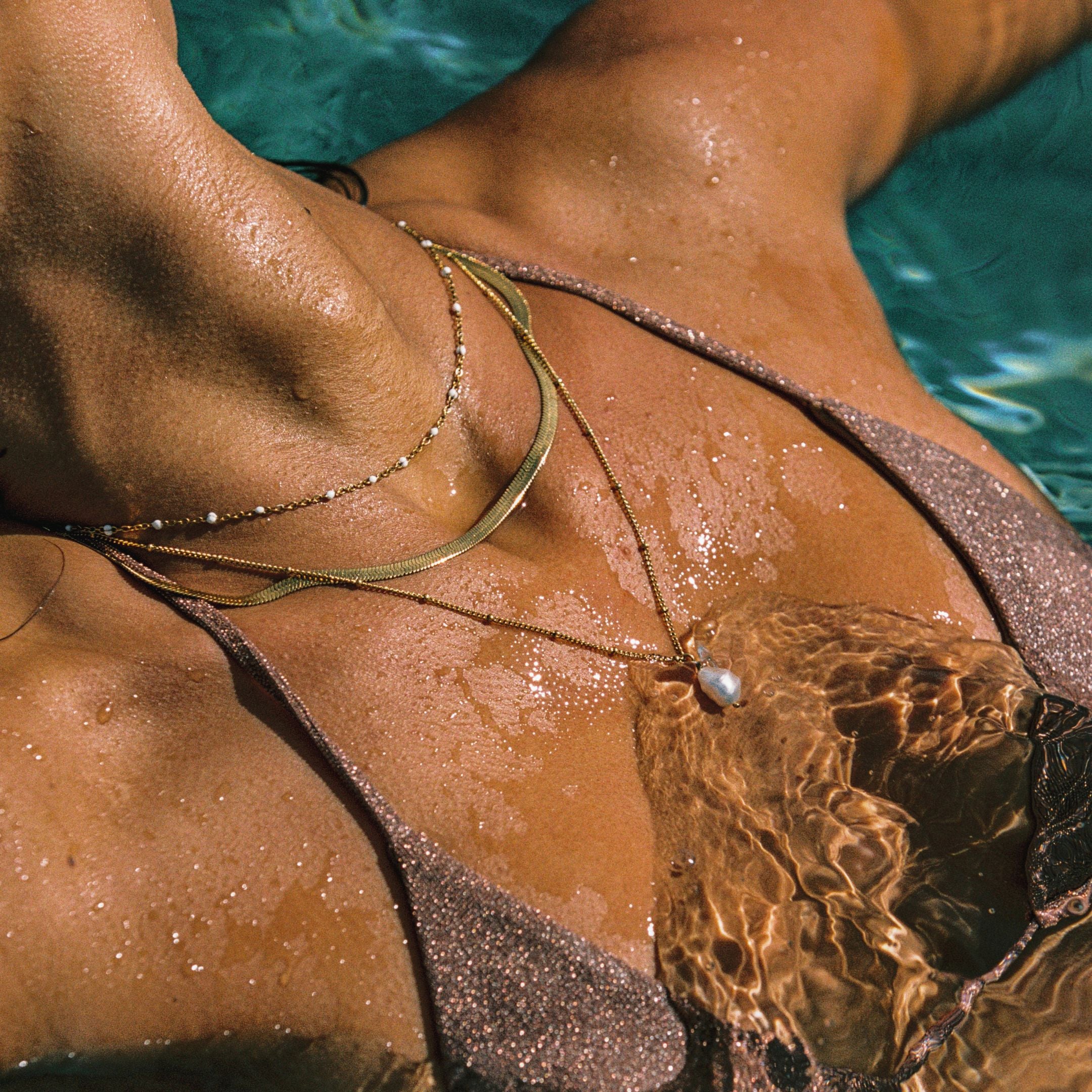
You can wear 925 silver briefly in the shower or pool, but you’ll risk accelerated tarnish from shower exposure and corrosive effects from pool water (chlorine); rinse, dry, and avoid prolonged or frequent immersion to preserve finish.
Is There a Difference Between .925 and “sterling” Stamps?
Yes — they’re equivalent: “.925” and “sterling” both indicate sterling silver, meaning 92.5% silver alloy composition, typically with 7.5% copper or other metals, ensuring consistent mechanical properties and purity standards.
Can Silver Jewelry Be Resized Without Damaging Plating?
You can resize silver-plated jewelry, but you'll risk damaging the plating; precise resizing techniques like stretching or reducing ring bands require soldering, heat, or cold-working, so prioritize professional service and strict jewelry care to preserve finish.
Are There Eco-Friendly Commercial Silver Cleaners Available?
Yes — you can buy eco friendly options for silver cleaning: enzymatic gels, biodegradable dips, and citric-acid or sodium bicarbonate formulations work effectively; follow manufacturer instructions, use gloves, ventilate, and rinse thoroughly to protect plating and finish.
Conclusion
You can expect 925 silver to begin showing light tarnish within days to weeks depending on exposure, but significant darkening usually takes months to years. Tarnish stems from sulfur and oxygen reacting with silver; humidity, chemicals, sweat, and pollutants accelerate it. Clean gently at first, reserve replating or professional service for heavy corrosion, and follow a straightforward care schedule—regular light cleaning, airtight storage, and minimizing contact with harsh substances—to keep pieces bright and durable.







Leave a comment
This site is protected by hCaptcha and the hCaptcha Privacy Policy and Terms of Service apply.