


How to Pick Necklace Length That Fits You
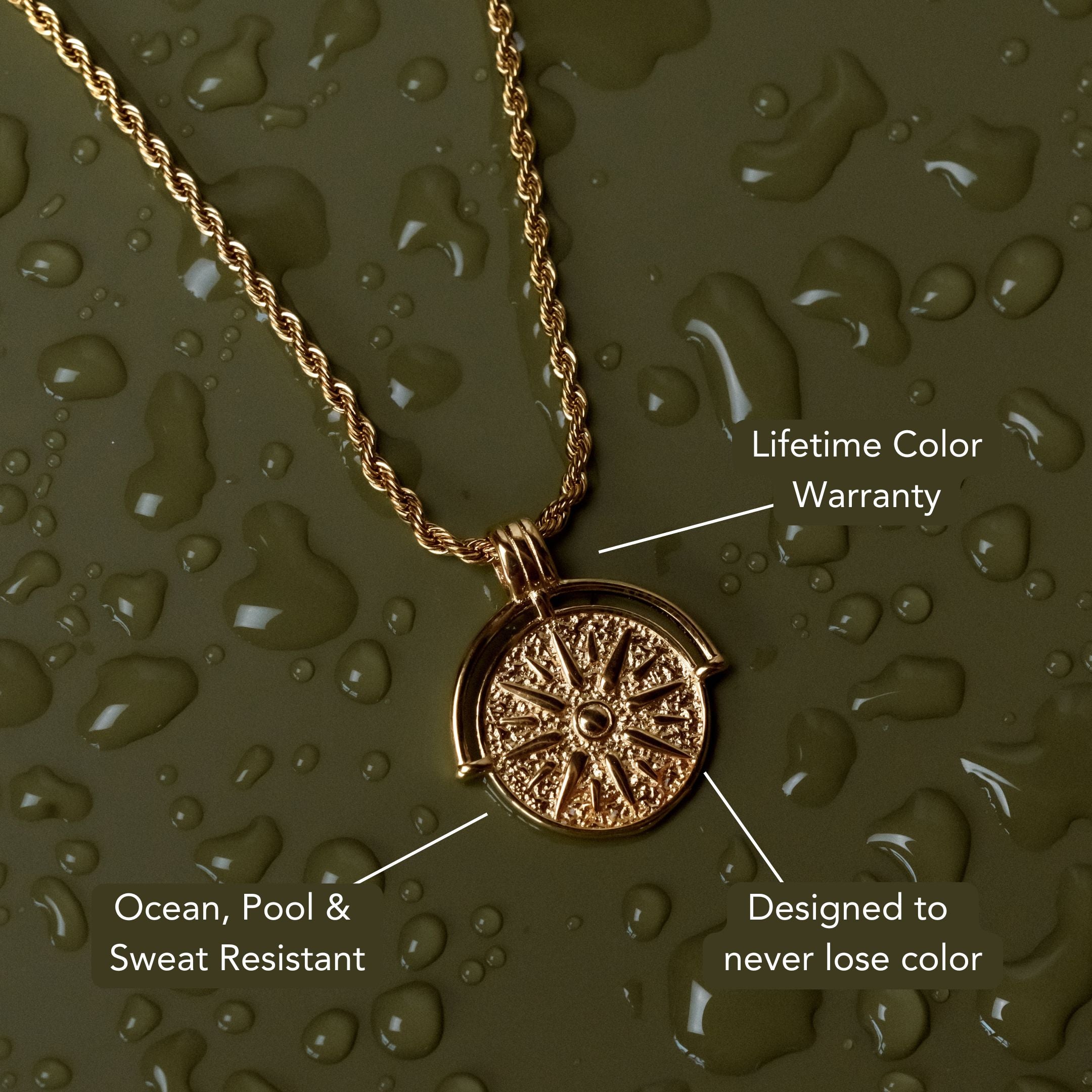
How to pick necklace length? Choose a length by aligning it with your neckline, face shape, and torso so the focal point lands exactly where you want it. Use a ribbon or measuring tape from your throat to test fits—14–16 inches for chokers, 18 inches at the collarbone, 20–24 inches to elongate the silhouette, and 30–36 inches for dramatic drape. Factor in neck and shoulder proportions, pendant size, and chain weight, and use extenders for flexibility. For versatile styles designed for everyday wear, explore our Waterproof Necklaces collection—then continue for visual guides and expert pairing tips.
Quick How‑To: Pick the Right Necklace Length
Wondering which necklace length flatters you most? Start by matching purpose to proportion: decide if you want a statement focal point or a subtle accent.
Consider your neckline, face shape, and torso length, then test a few lengths on a string before committing. Balance necklace materials with scale — chunky chains sit differently than fine strands, and heavier pendants need sturdier lengths.
Think about layered looks: vary lengths by at least two inches to avoid crowding. Let your style preferences guide finish and weight; minimalist tastes favor delicate, shorter pieces, while bold wardrobes can handle longer, textured chains.
Finally, move around in the mirror to guarantee comfort and mobility; a perfect length feels effortless and looks intentional.

Standard Necklace Lengths and Where They Sit
Necklaces come in a handful of standard lengths that reliably tell you where a chain will land on the body, so you can choose one that complements your neckline and proportions.
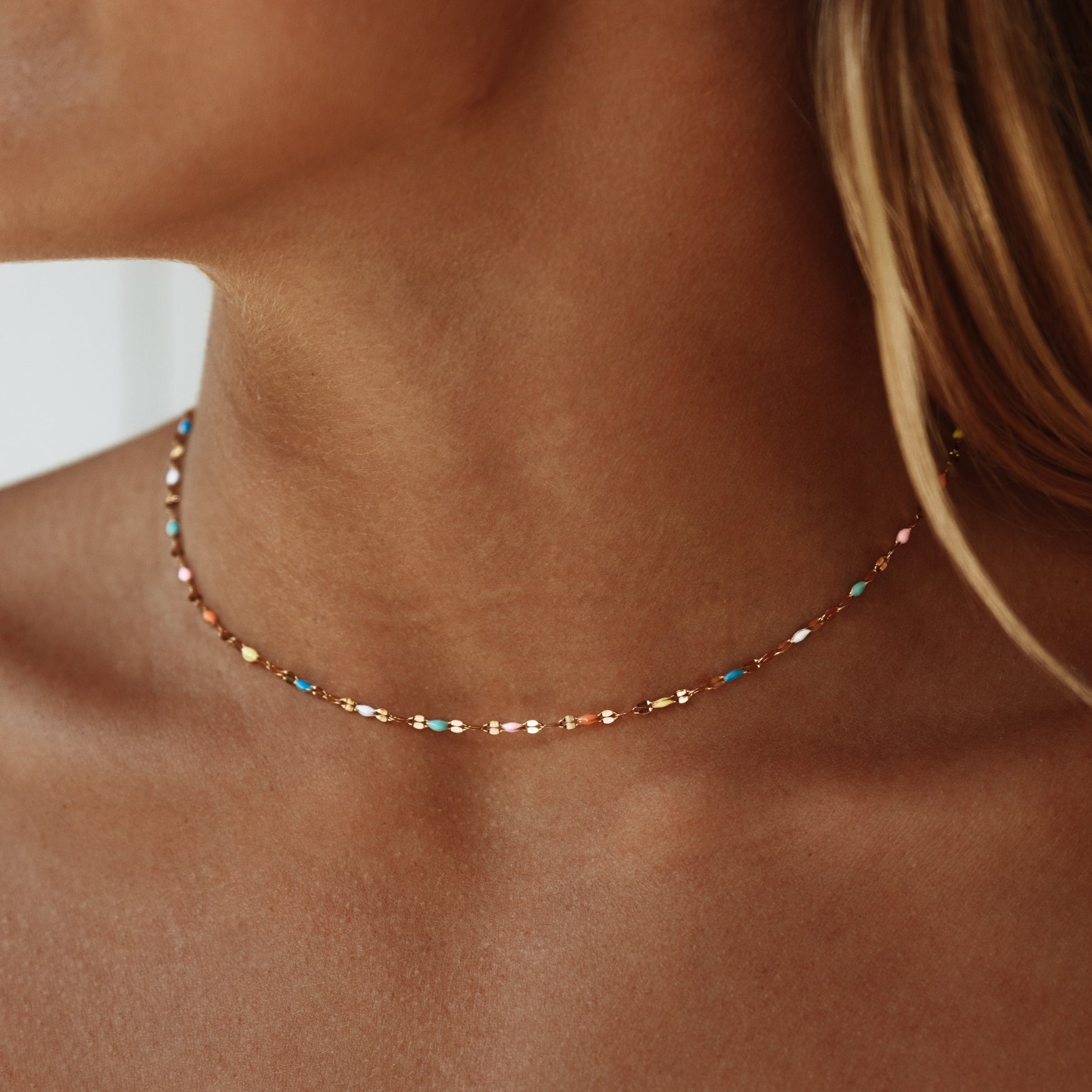
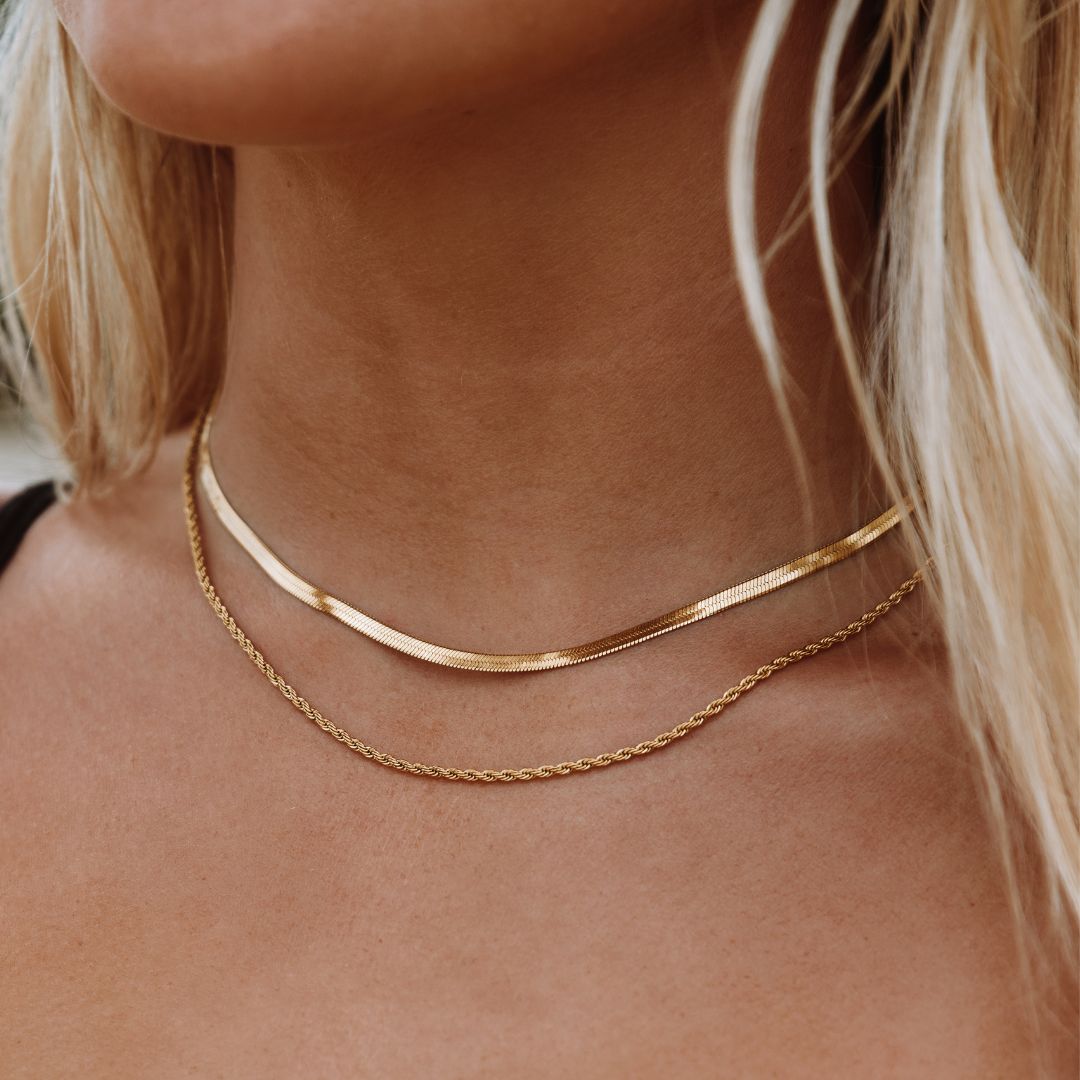
A 14–16" choker styles option hugs the base of your neck—great with open collars or off‑shoulder tops.
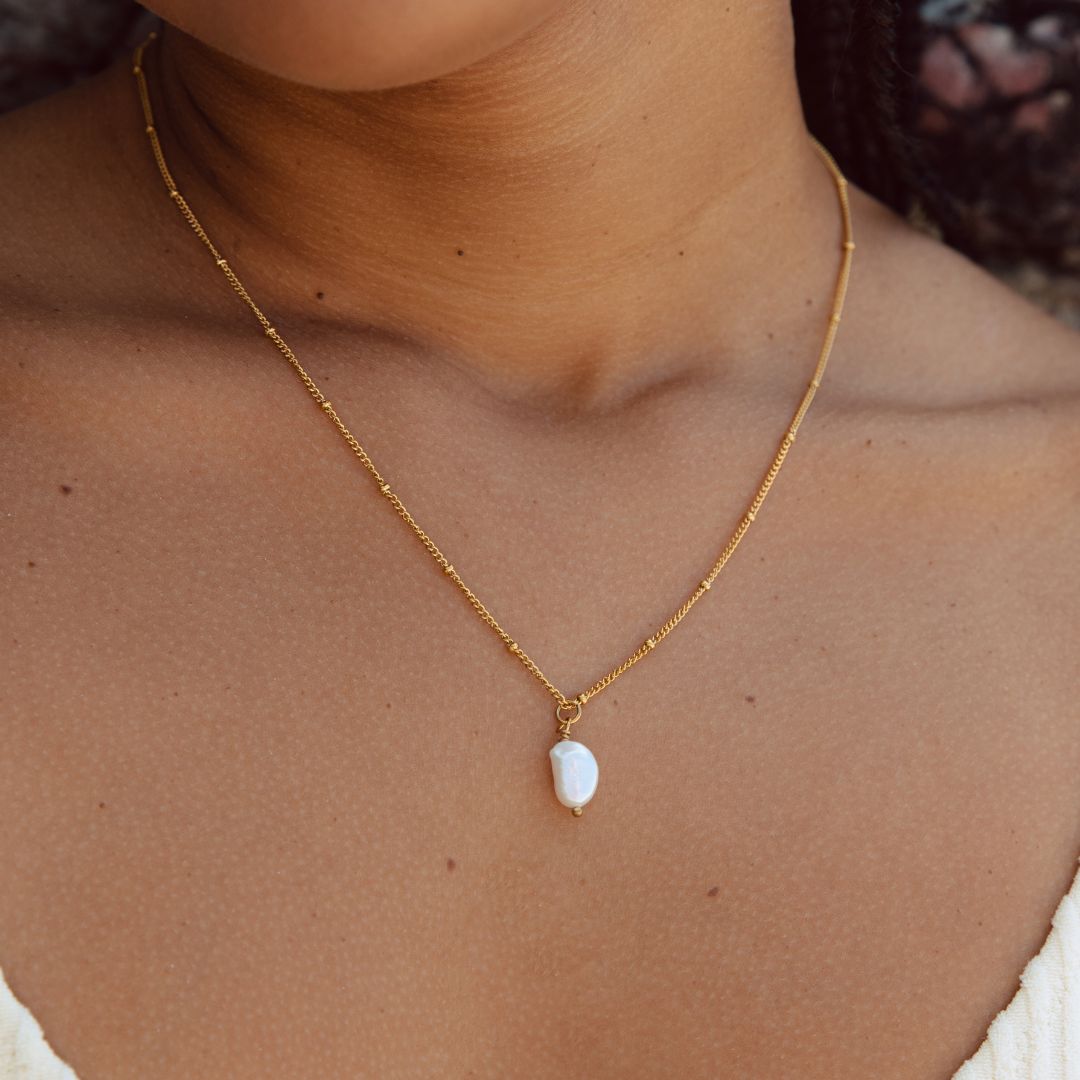
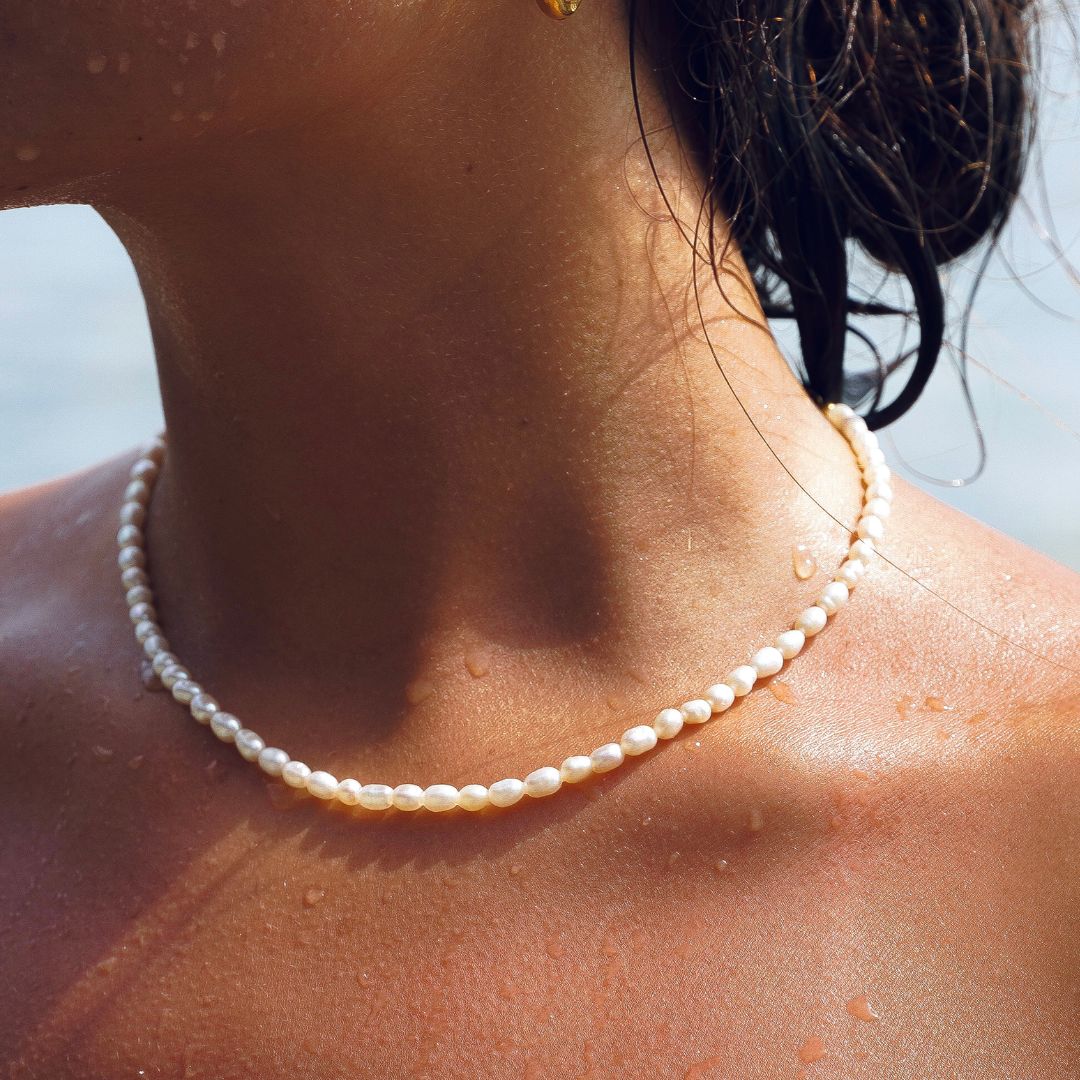
A 18" necklace typically rests at the collarbone, versatile for tees and blouses.
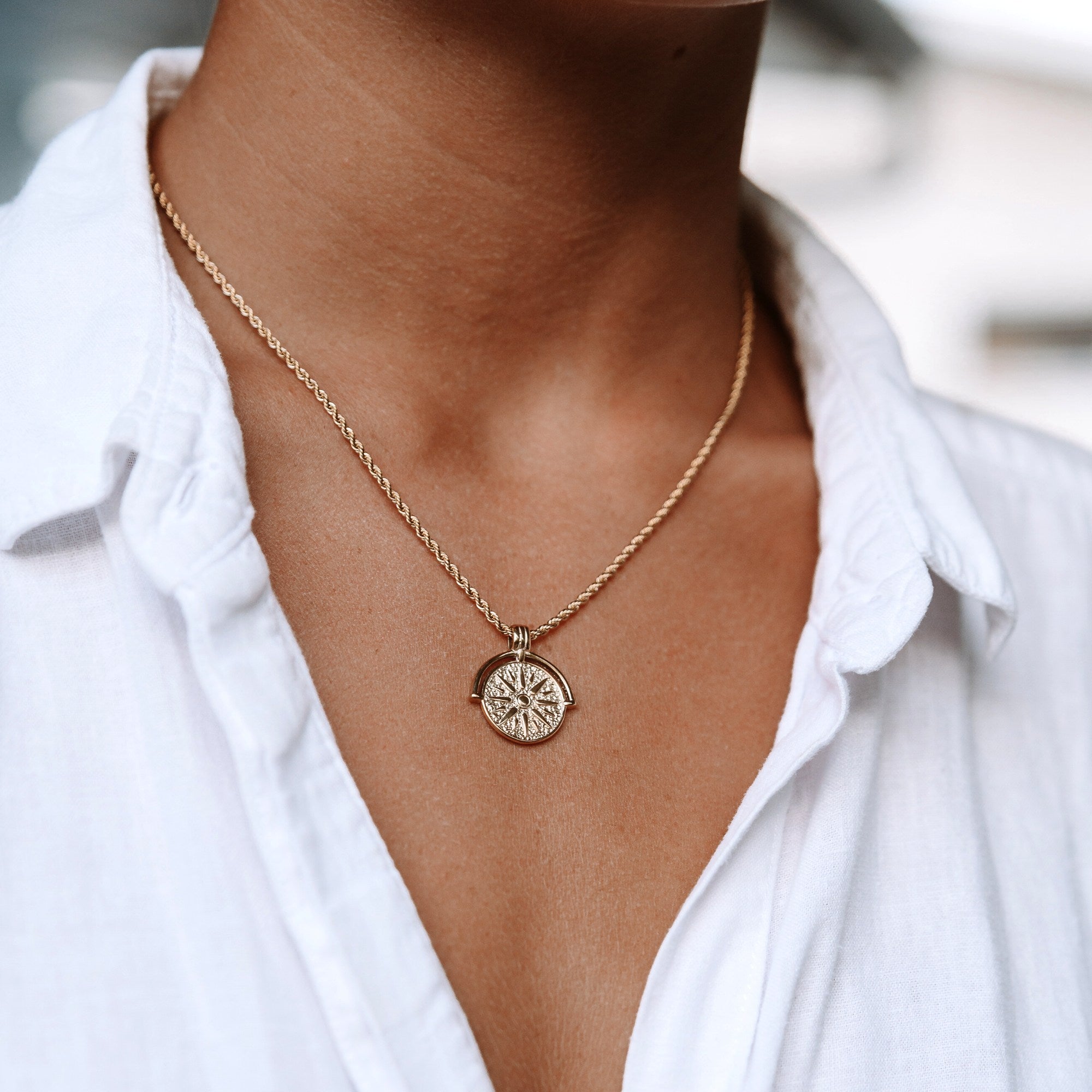
A 20–24" princess to matinee length falls below the collarbone, lengthening the torso and pairing well with higher necklines.
Longer 30–36" opera and rope lengths sit across the bust or below the waist, ideal for dramatic drape or doubling for layering techniques.
Use these benchmarks to pick lengths that balance your frame and outfit without guesswork.
How to Measure & Try a Necklace at Home
Now that you know where standard lengths sit, you can easily check how a specific chain will look on you before buying.
Start with a soft measuring tape or a length of ribbon laid against your neck; mark the spot where you want the pendant or chain to rest. Use simple measuring techniques: measure from the base of your throat down the front to the mark, or wrap ribbon and clasp it to mimic a necklace.
Try multiple necklace styles—chokers, princess, matinee—using the same method to compare fall and proportion against your outfit. Photograph each trial to review fit from different angles.
Note how thickness and pendants change drape. These hands-on steps save returns and guarantee the length flatters your intended look.

Match Necklace Length to Neck Shape and Collarbone
If you want a necklace to enhance your features, consider both your neck shape and how your collarbone shows—each guides where a chain should sit to balance proportions.
For short necks, choose longer lengths or V-shaped pendants to create vertical lines that elongate; avoid chokers that can shorten the visual line.
If you have a long neck, try shorter chains or chokers to add proportion and draw attention to facial features.
Broad shoulders pair well with mid-length to long necklaces that soften width, while narrow shoulders benefit from shorter lengths that emphasize collarbone definition.
Deep or prominent collarbones suit delicate short chains or princess lengths that rest just above or on the bone, highlighting its elegant contour without overpowering it.
Height & Torso: Choosing Necklace Lengths
Beyond neck shape and collarbone, your overall height and torso length play a big role in how a necklace reads on your body.
If you have petite proportions, shorter chains (14–16 inches) and chokers keep proportion and avoid overwhelming your frame; delicate pendants that sit at the collarbone lengthen without crowding.
For tall frames, longer lengths (20–30 inches) create elegant vertical lines and balance longer torsos; layered mid- to long chains work especially well.
Mid-height bodies can mix both, using proportion to emphasize neckline or bust depending on intent.
Think in relation to your torso: aim for necklaces that end at visually useful points (collarbone, sternum, or above the waist) so each piece flatters your silhouette.
Pair Necklace Length With Outfit Necklines
When you choose a necklace, match its length to your neckline so the piece complements rather than competes with your outfit.
For a crew or high-neck top, go with longer pendants or opera lengths that drop below the collar to elongate your torso.
With V-necks, pick a necklace that follows the V—princess or matinee lengths (16–22 inches) work well, highlighting the décolletage without crowding it.
Scoop and square necklines suit shorter chains and chokers that echo the shape.
Off-the-shoulder and strapless looks call for statement or collar pieces that sit on the bone, while turtlenecks pair best with long, layered pendants.
Keep current outfit trends in mind—clean lines favor minimal lengths, while bold textures welcome stronger, more visible pieces that complete the look.

Necklace Layering: Which Lengths Work Together
Pairing necklace length with your neckline sets the stage; layering combines pieces to create depth and balance.
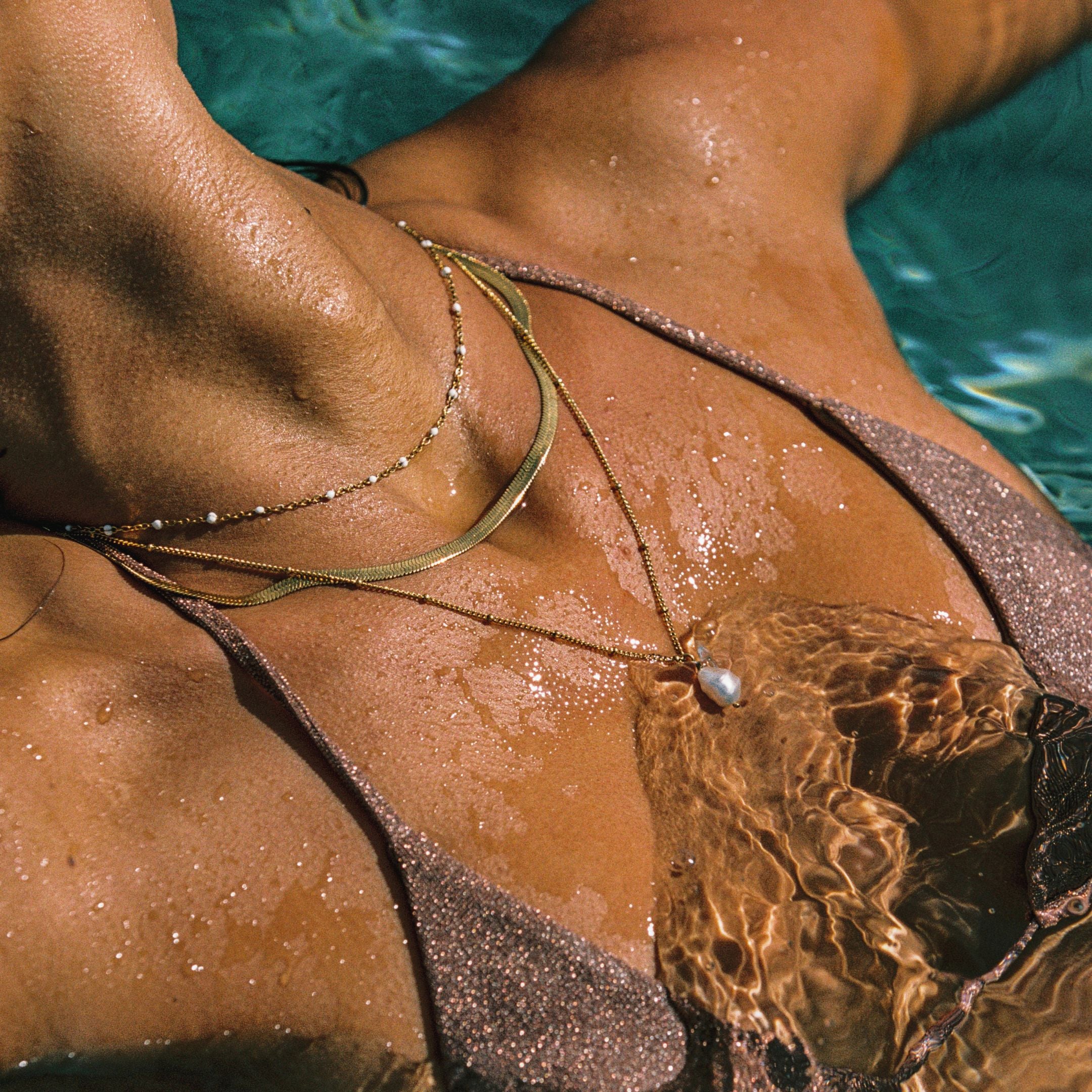
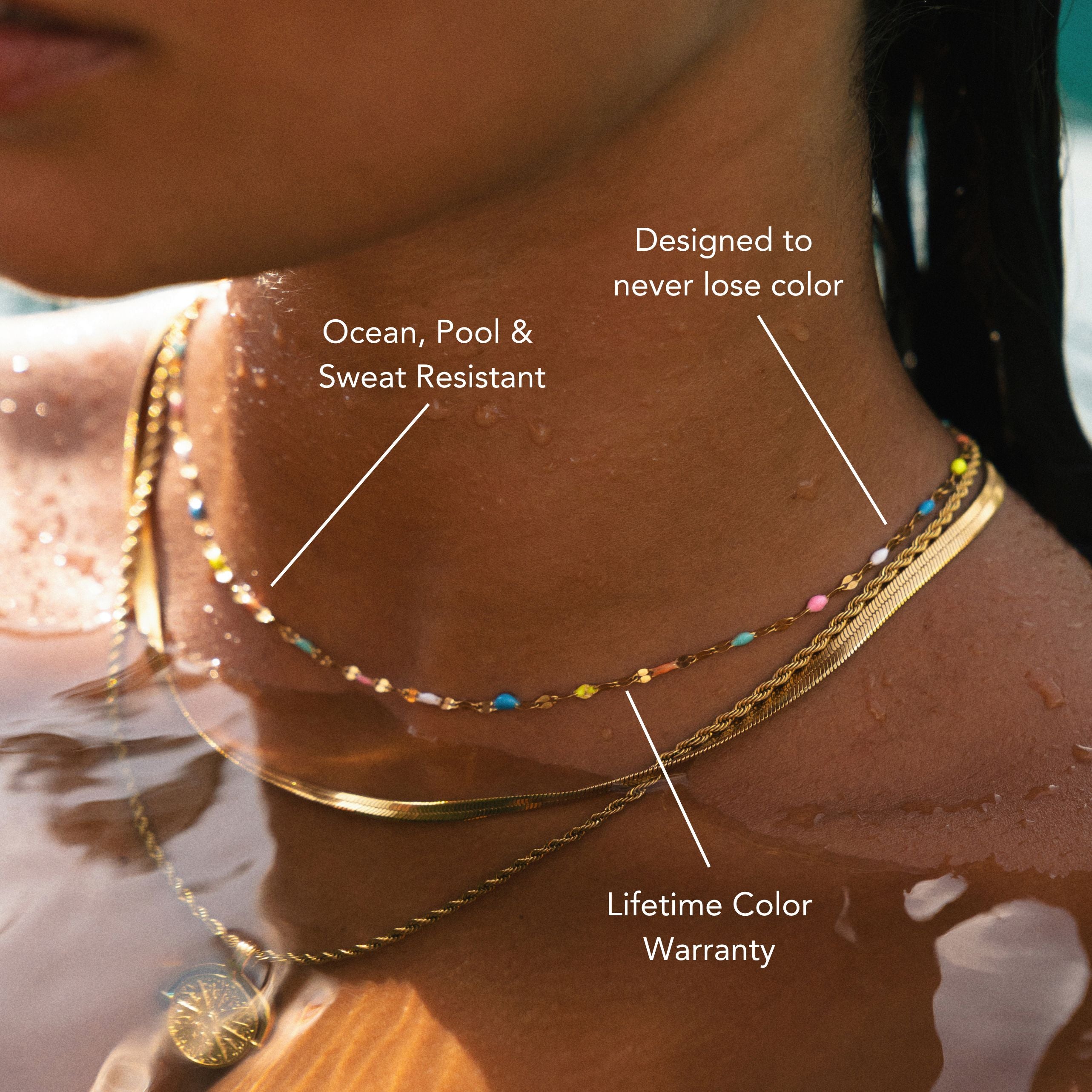
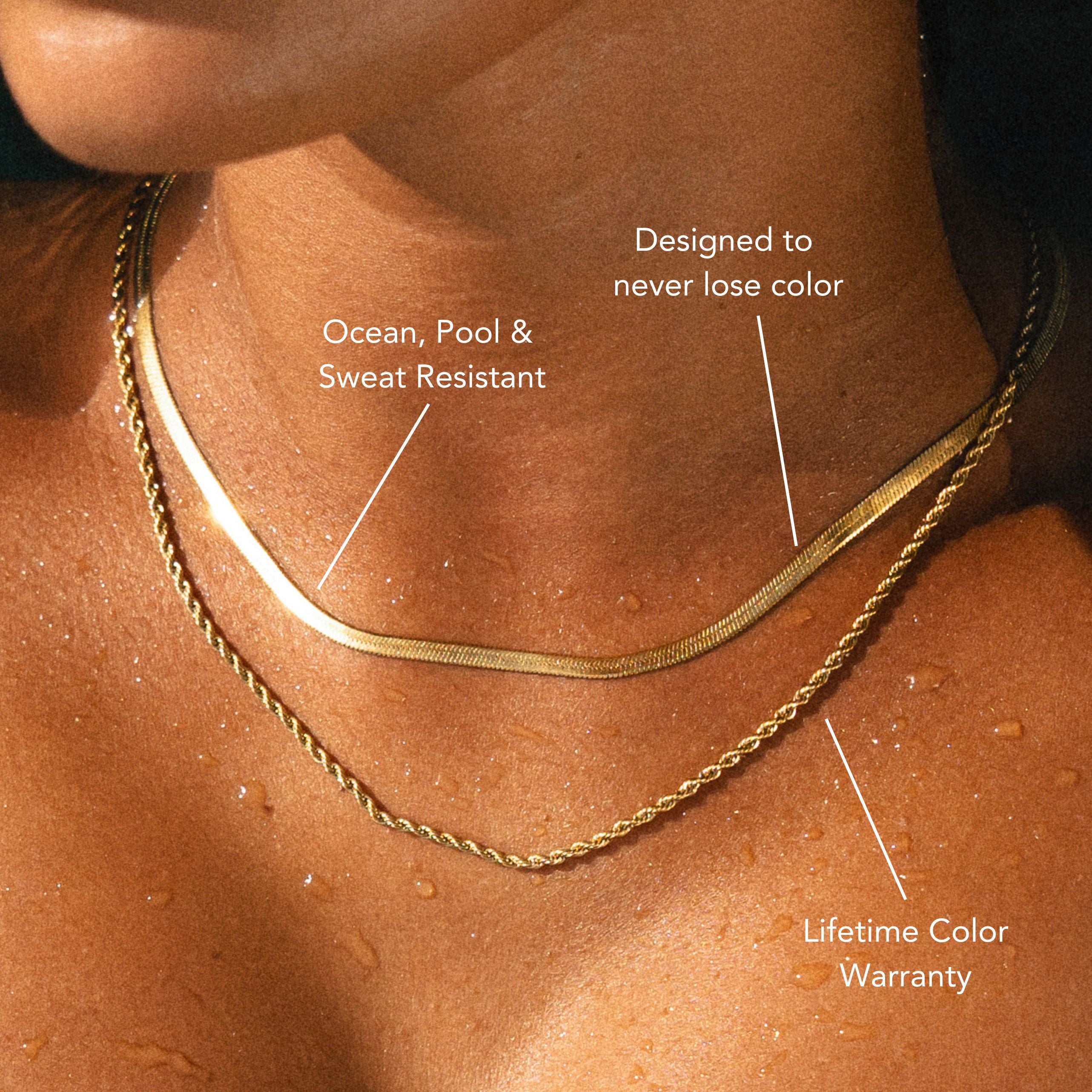
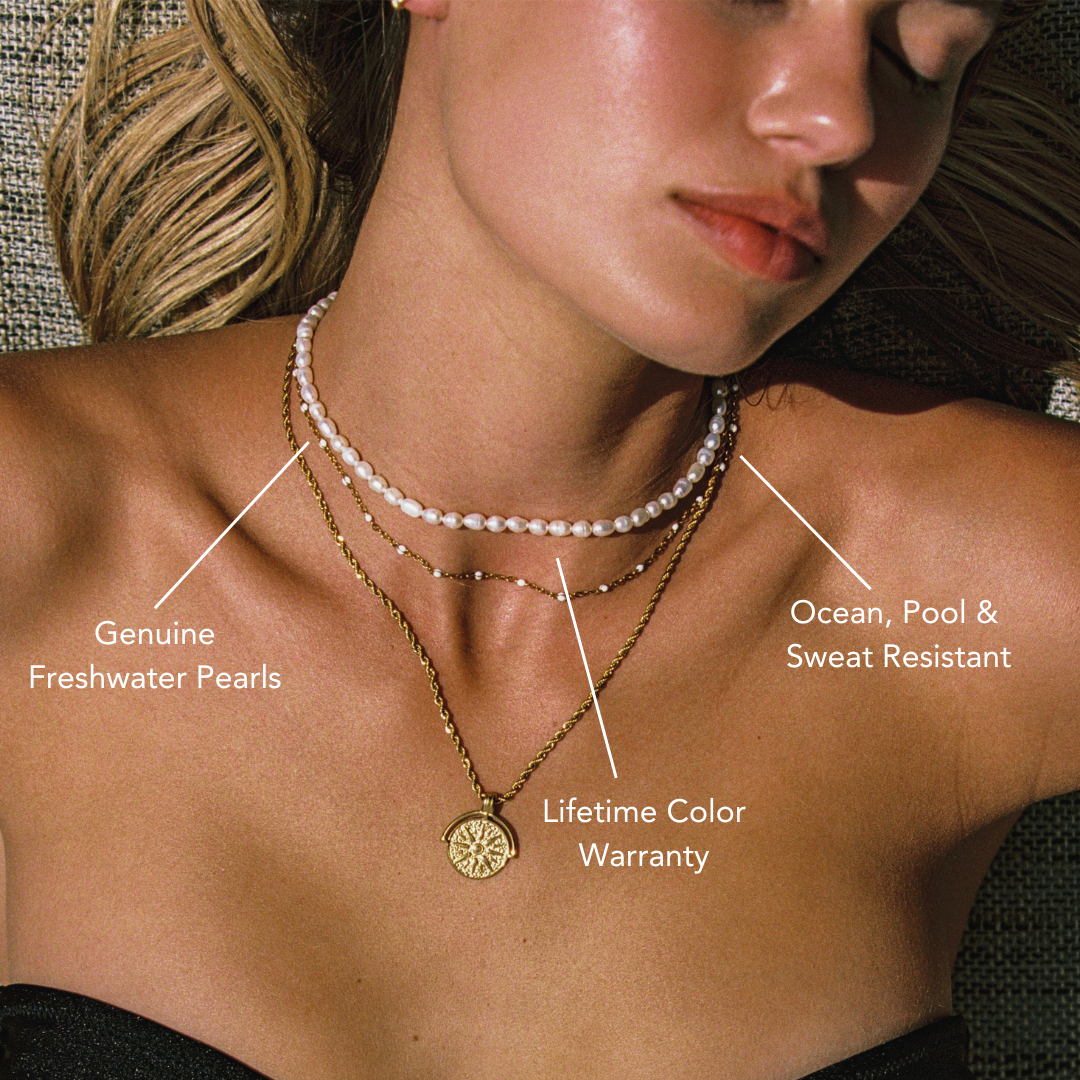
You’ll want a clear plan: start with a choker or 14–16" short piece, add a 18–20" mid layer, then finish with a 24–30" pendant. Those intervals keep chains from tangling and maintain visual hierarchy.
Use mixing metals, varied textures, and different pendant sizes to avoid monotony. For petite frames, compress lengths closer together; taller proportions can span wider distances.
Match focal points—place pendants where they accent your collarbone or décolletage depending on the outfit.
Mastering layering techniques means choosing necklace combinations that read intentional, not cluttered. Experiment, then simplify until each layer complements your neckline and style.
Adjust Necklace Lengths: Extenders, Clasps & DIY Fixes
A simple extender or a swapped clasp can rescue a necklace that sits too high or drags too low, and you don’t need a jeweler to do it.
Start by matching extenders and replacement clasps to your necklace materials—gold, silver, plated or delicate chain all need appropriate gauges and finishes. Use a spring ring or lobster clasp swap for security; add a 2–4 inch extender for versatility.
For quick DIY fixes, attach a small jump ring where you want the drop, or loop a safety pin-style bead for temporary lengthening.
When layering techniques call for precise spacing, experiment with multiple extenders or adjustable sliders so each strand sits intentionally.
Store spare clasps and tiny pliers; they’re the essentials for fast, polished tweaks.
Frequently Asked Questions
How Do Necklace Materials Affect Skin Sensitivity and Allergies?
Metals can trigger metal allergies, so you’ll itch or rash with nickel or cheap alloys; choose hypoallergenic options like titanium, surgical steel, or gold-filled to avoid reactions, and test new pieces briefly against clean skin first.
Can Necklace Length Influence Perceived Face Shape?
Yes — necklace length can change perceived face shape: you’ll use necklace styles to lengthen or round your face, choosing shorter, choker-like pieces for wideness and longer, pendant styles for elongation and subtle face framing.
What Lengths Are Best for Children and Teens?
For children, choose 12–14 inch child necklace sizes that sit comfortably and safely; for teens, follow teen jewelry trends with 14–16 inch chokers or 18 inch pendants for layering, letting personal style and safety guide choices.
How to Care for and Store Multiple Necklaces to Prevent Tangling?
You’ll prevent tangles by using necklace organization and smart storage solutions: hang chains on a wall organizer, clasp each, thread through straws or rolls, store pendants separately, and rotate pieces to keep them neat and scratch-free.
Do Cultural or Symbolic Meanings Affect Ideal Necklace Length?
Yes — cultural significance and symbolic representations often shape ideal necklace length; you'll choose lengths that honor traditions, display talismans appropriately, or convey status, so consider heritage, occasion, and the meanings you want to express.
Conclusion
You’ve got the tools to choose necklaces that flatter you every day. Measure your neck, note your collarbone and torso, and match lengths to necklines and height. Use extenders, different clasps or a quick DIY to tweak fit. Layer thoughtfully—shorter pieces sit closest to the throat, longer ones add drama—and keep proportions balanced. Trust your eye and comfort: the right length should feel effortless and make your outfit sing.







Leave a comment
This site is protected by hCaptcha and the hCaptcha Privacy Policy and Terms of Service apply.