

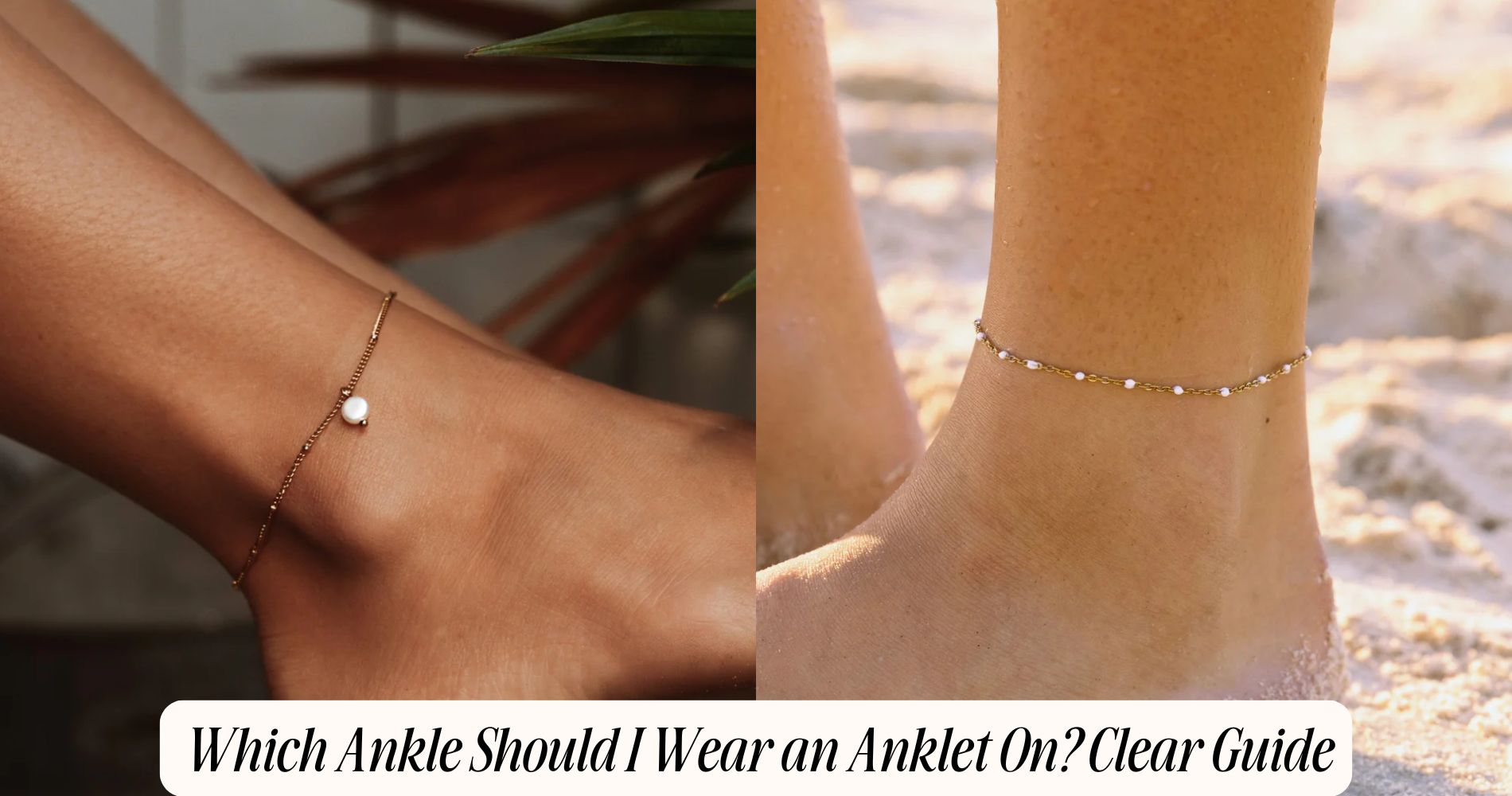
Which Ankle Should I Wear an Anklet On? Clear Guide
Which ankle should I wear an anklet on? The best choice depends on your intent, outfit, and comfort. In some cultures, wearing an anklet on the left ankle can signal marital status, while the right ankle may suggest openness—so it’s wise to consider local customs. From a style perspective, place shine on the more visible side of an asymmetrical outfit and coordinate metals with your other accessories. For comfort, many people prefer the non-dominant ankle, leaving a pinky-finger gap and choosing smooth links. Keep styles minimal for formal settings and bolder with sneakers or casual looks. Durable options like Waterproof Anklets make everyday wear effortless. Up next, you’ll find smart pairings, ideal fits, and care tips.
Cultural Meanings of Left vs. Right Ankles
Although trends evolve, the ankle you choose can still signal meaning in different cultures. If you’re maneuvering through cultural symbolism, know that left vs. right can carry different messages, and regional variations matter.
In parts of India, the left ankle may suggest marital status or tradition; in some Mediterranean contexts, right-side wear can hint at openness to connection. Elsewhere, the choice is purely personal.
When traveling or attending cultural events, ask locals or check etiquette guides before you style up.
Practical approach: pick the ankle aligned with your intent and setting, then stay consistent. If you’re unsure, start with your non-dominant leg—it’s often more comfortable and less noticeable.
When meanings conflict across regions, prioritize the norms of where you're and keep your overall look respectful.

Style and Aesthetic Considerations
While placement can signal meaning, it also shapes your look: choose the ankle that complements your silhouette, footwear, and hemline. Balance matters.
If your outfit leans asymmetrical—a slit skirt or side-stripe trouser—anchor the exposed side with shine. With sleek pumps, a minimalist chain on your dominant stride leg reads sharp; with sneakers or slides, stack delicate anklet styles for effortless edge.
Match metal to hardware: silver with cool-toned buckles, gold with warm accents. Mirror other jewelry—chunky links with bold hoops, micro chains with dainty rings—for cohesion.
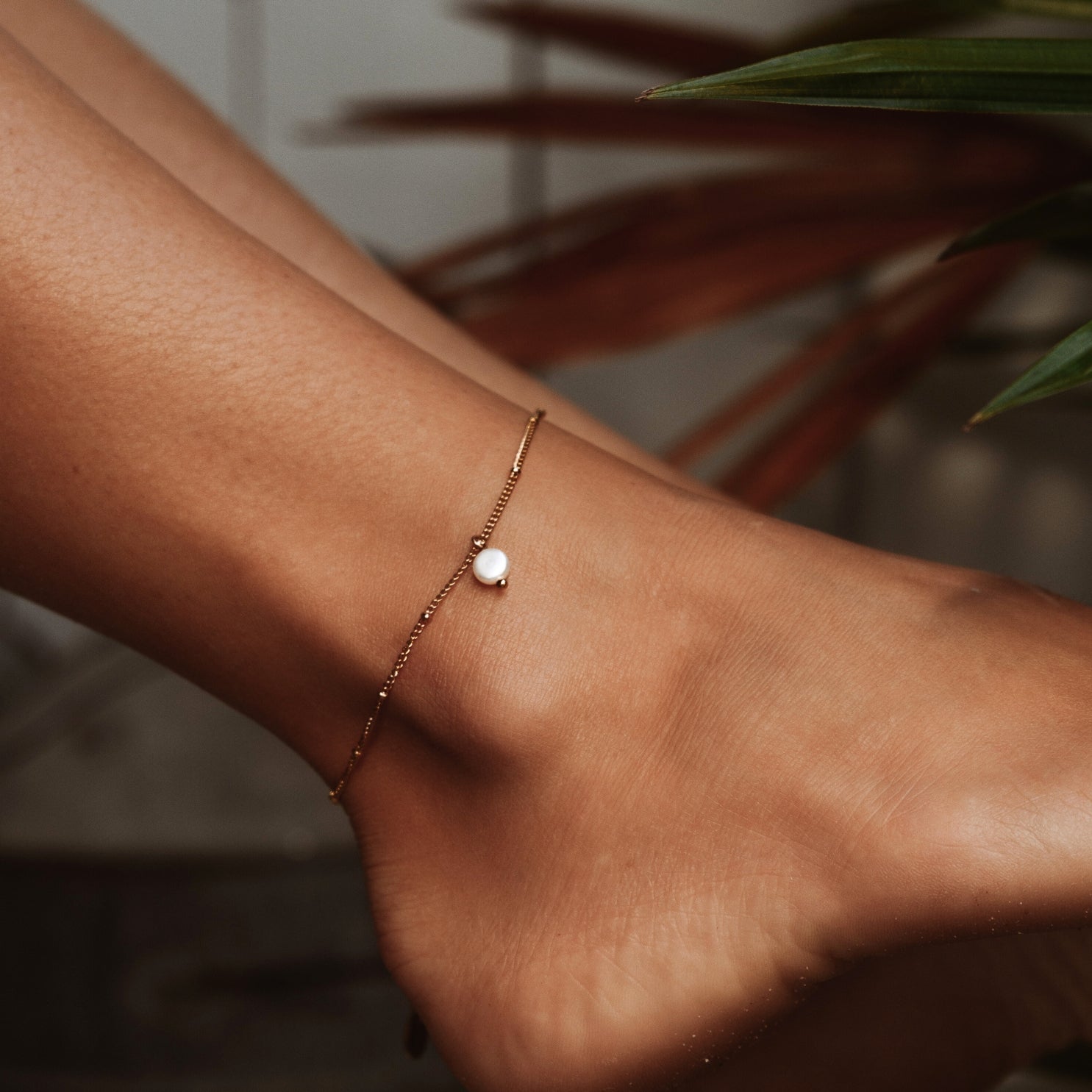
Let fashion trends guide experiments: charms and freshwater pearls feel playful; tennis-inspired sparkle telegraphs polish. For beachy sets, pick the ankle that leads in photos; for evening, highlight the leg crossing forward when you walk or pose.
Comfort, Fit, and Everyday Practicality
Style earns compliments, but comfort earns repeat wear. Prioritize anklet comfort by choosing the ankle that moves least during your day—often your non-dominant side. Test both ankles while walking, climbing stairs, and crossing legs. If you feel pinching or tugging, switch sides or adjust length.
Use smart fit considerations: aim for a pinky-finger gap between chain and skin so it drapes without spinning wildly. Opt for adjustable extenders to fine-tune fit as swelling shifts from heat or long standing. Smooth finishes and rounded links reduce snagging on knits and socks.
If you wear sneakers often, pick a slimmer profile; for sandals, a slightly looser drape works.
Finally, check closures. Lobster clasps outlast magnets, and double-looping at the clasp adds security.

Occasion-Based Styling: Casual to Formal
Because your calendar jumps from coffee runs to weddings, match your anklet’s placement and profile to the dress code. For casual events, wear the anklet on your dominant leg to show confidence; opt for slim chains or playful charms that sit just above the ankle bone.
Keep movement easy, and avoid anything that jingles loudly.
When plans tilt semi-dressy, switch to a single, polished chain on the non-dominant ankle for subtle balance. Choose a snug-but-breathable fit so it stays centered and sleek.
For formal occasions, minimize shine and maximize refinement. A delicate, fine-link anklet on the non-dominant ankle reads intentional without stealing focus.
Confirm the clasp rests cleanly behind the ankle. If you’re unsure, edit: one anklet, minimal detail, impeccable placement.
Pairing Anklets With Shoes and Outfits
Two quick anchors guide flawless pairings: shoe silhouette and hemline. Use them to read shoe compatibility fast.
With sleek pumps or pointed flats, pick a whisper-thin chain that skims the ankle bone—clean, elongating, dress-code smart.
With chunky sneakers or lug soles, balance volume with a thicker link or charms; the contrast feels intentional.
Match hemlines to visibility. Cropped jeans, tailored shorts, and midi slits love a single standout piece.
Floor-grazing trousers? Skip dangling charms; choose a snug, low-profile chain.
Sandals showcase everything—stack two delicate anklets for on-trend symmetry.
Follow anklet trends without overthinking. Silver chains flex sporty and minimal; gold reads polished and warm.
Bead or shell accents lean resort-casual. Align metals with belt buckles or bag hardware, then mirror the vibe on your chosen ankle.
Care, Materials, and Wearability Tips
While you’re curating looks, choose anklets that can keep up: prioritize materials first, then maintenance.
Start your materials selection with 14k gold, platinum, or titanium for sweat, sand, and shower resilience. Prefer sterling silver with rhodium for shine, or stainless steel for gym days. If you love beading or shells, pick nylon-coated wire and knot covers to prevent fray.
Dial in anklet care: rinse after salt or chlorine, pat dry, and store flat in a pouch. Use a gentle jewelry cloth—skip harsh cleaners on plated pieces.
Choose adjustable clasps or extenders for swelling after flights or workouts. For all-day wearability, avoid chunky charms that snag, and test drape above your shoe collar.
Rotate pieces; your skin and finish will last longer.
Frequently Asked Questions
Are There Health or Circulation Risks Associated With Wearing Anklets?
Yes, risks are minimal, but tight fits can affect circulation and cause skin irritation. Choose lightweight anklet materials, guarantee a two-finger gap, avoid sleeping in it, rotate wear, and clean regularly. If swelling, numbness, or redness appears, remove immediately.
Do Anklets Interfere With Fitness Trackers or Ankle Monitors?
They can, but it’s avoidable. Prioritize fitness tracker compatibility by choosing slim, non-magnetic anklet materials and wearing them opposite your device. Skip chunky charms, test for interference during workouts, and keep clearance around sensors to prevent signal or strap issues.
Are There Legal or Workplace Rules About Anklet Visibility?
Yes—some employers restrict anklet visibility via workplace dresscode, and certain court orders ban jewelry. Prioritize anklet fashion subtly: choose thin designs, neutral metals, under-hem styling. Confirm HR policies, client-facing expectations, safety rules, and local regulations before wearing.
How Do Anklets Affect Tan Lines or Sunscreen Application?
Anklets create distinct tan line patterns, so expect crisp outlines. Move them periodically. For sunscreen application tips: apply SPF under and around the band, let it absorb, then accessorize. Reapply after swimming, and choose adjustable, removable styles for even glow.
Can Anklets Trigger Airport Security or Metal Detectors?
Yes, your anklet can trigger detectors, depending on anklet materials. Choose thin stainless steel, titanium, or fabric. Pack chunky chains. For travel tips: remove it before screening, stash it in a tray, and breeze through stylishly.
Conclusion
You don’t need a rulebook—choose the ankle that matches your vibe and lifestyle. Lean left for subtle, classic energy; go right when you want a bolder, trend-forward statement. Prioritize comfort: secure fit, no snagging, and materials that suit your skin and routine. Match your anklet to the moment—minimal for work, layered for weekends, luxe for nights out. Coordinate with your shoes and hemlines, and keep it clean and untangled. Own it, switch it up, and wear it with confidence.






Leave a comment
This site is protected by hCaptcha and the hCaptcha Privacy Policy and Terms of Service apply.